Jan 16, 2026
How Sports Simulators Trigger Reward Pathways in the Brain
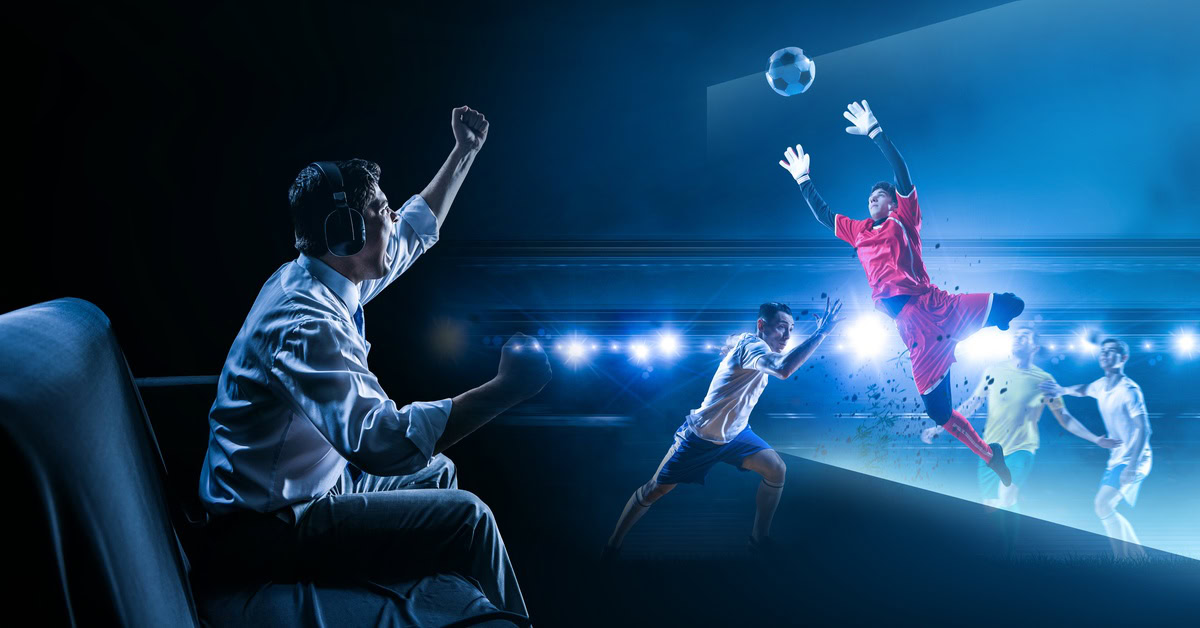
You line up your shot. You analyze the distance, adjust your stance, and swing. The screen instantly displays the ball’s trajectory as it sails between the goalposts. A rush of satisfaction washes over you. You pump your fist and turn to high-five your friend.
You didn’t just score points in a game; you triggered a powerful chemical reaction. Why does a digital victory feel so satisfying? The answer lies deep within your biology.
Sports simulators do more than replicate the physics of a soccer kick or a golf swing. They tap directly into neurochemistry that drives human motivation and pleasure. Explore how sports simulators trigger reward pathways in the brain, and why this technology keeps us coming back for more.
The Chemistry of Victory
To understand why simulation feels so good, you must first understand dopamine. People often call this the “feel-good” chemical, but that description simplifies its role. Dopamine acts as a neurotransmitter that drives motivation, learning, and the pursuit of rewards.
When you anticipate a positive outcome, your brain releases dopamine. When you achieve that outcome, you get another hit. This cycle reinforces behavior. It tells your brain, “That was good. Do it again.”
High-end simulators from HD SportSuite create the perfect environment for this cycle. They offer clear goals, immediate results, and the potential for mastery. This combination turns a simple game of virtual carnival toss or hockey into a dopamine-rich experience.
Instant Feedback Loops
One major advantage of a simulator lies in the speed of information. In traditional sports, feedback can take time to process. You might hit a golf ball into the fog and never know exactly where it landed.
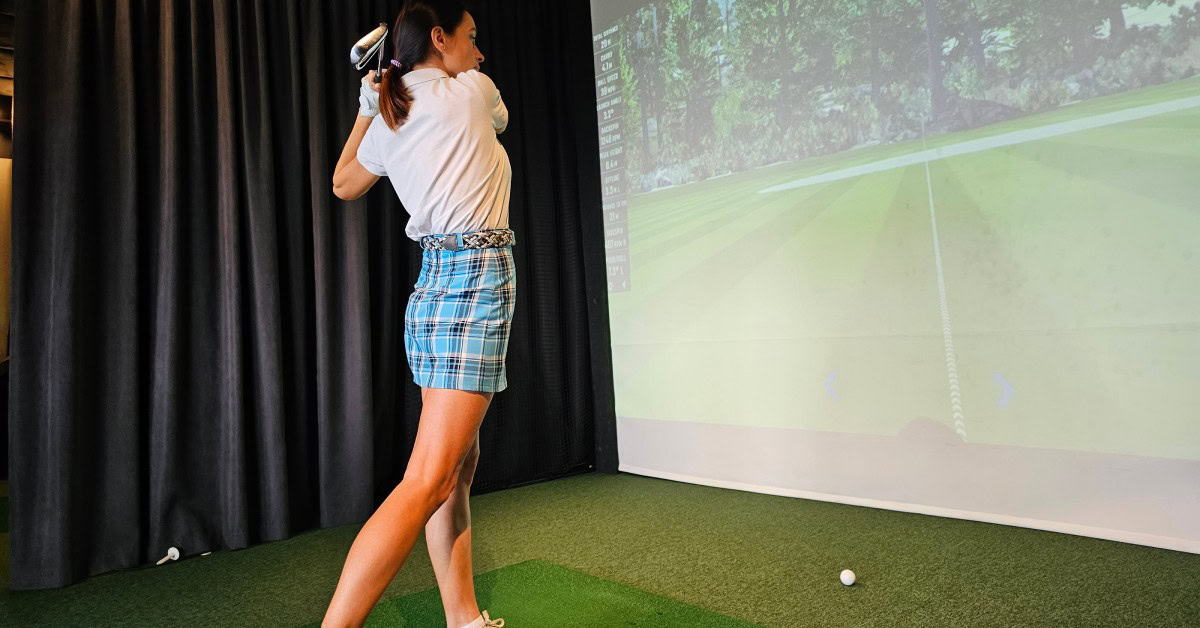
Simulators remove this ambiguity. Sensors track the ball’s speed, spin, and launch angle the moment you make contact. The screen displays the results immediately.
This immediacy strengthens the neural connection between action and result. Your brain creates a tighter association between your physical movement and the positive outcome on the screen. This rapid feedback loop accelerates learning and keeps the dopamine flowing.
Visual Immersion and the Brain

Your brain relies heavily on visual input to interpret reality. When you stand in front of a high-definition screen, your visual cortex processes the images almost precisely as it would real-world stimuli.
If the graphics look grainy or the motion lags, the illusion breaks. Your brain recognizes the artifice. However, premium systems utilize photorealistic graphics and smooth frame rates to trick the mind.
When you see a meticulously rendered stadium or a lifelike goalkeeper, your brain suspends disbelief. You feel the pressure of the penalty kick. You experience the vastness of the baseball field.
This immersion heightens the emotional response. Sports simulators activate reward pathways in the brain more effectively when visual data matches physical activity. The more real it looks, the more real the victory feels.
The Power of Gamification
Simulators often introduce elements that don’t exist in traditional sports. You might aim for glowing targets, smash virtual windows, or hunt animated zombies. We call this gamification.
Gamification layers additional reward structures on top of the physical activity. You don’t just practice your throw; you try to beat a high score. You attempt to unlock a new level.
These game mechanics activate the brain’s “seeking” system. We naturally want to solve problems and achieve quantifiable goals. Seeing a score climb creates a tangible sense of progress.
Gamification appeals to our innate desire for status and achievement. You want to beat your previous best. You want to top the leaderboard. These desires drive engagement and make the experience incredibly sticky.
Social Connection and Oxytocin
Sports rarely happen in isolation. We play them with friends, family, and rivals. Simulators facilitate this social interaction in a comfortable setting.
When you laugh with friends over a missed shot or cheer for a great play, your brain releases oxytocin. This hormone fosters bonding and trust. It amplifies the positive feelings generated by the activity.
HD SportSuite encourages this by offering over 50 different sports and games. You can host a home run derby or a bowling tournament. The shared experience creates a positive feedback loop of social validation.
You associate the simulator not just with the game, but also with the warmth of social connection. This makes the activity far more rewarding than playing a video game alone on a couch.
Prediction Error and Surprise
Your brain loves a pleasant surprise. Neuroscientists call this “positive prediction error.” It happens when the outcome of an action exceeds your expectations.
Imagine you attempt a challenging field goal. You expect to miss. Instead, the ball sails through the uprights. Your brain responds with a massive spike in dopamine, far larger than if you had expected to succeed.
Versus sports simulators provide a safe space to take these risks. You can attempt impossible shots without the fear of chasing a ball down the street. You can try to strike out a pro baseball player.
When you succeed against the odds, the neurochemical payoff feels immense. These moments of unexpected triumph create distinct, powerful memories that encourage you to keep playing.
Skill Acquisition and Mastery
Humans love to get better at things. We find deep satisfaction in sensing our own improvement. This feeling of mastery releases serotonin, a neurotransmitter associated with confidence and well-being.
Simulators provide precise data that proves you improved. You see your driving distance increase by ten yards. You see your shooting accuracy jump from 70% to 80%.
This quantifiable progress validates your effort. You know you aren’t wasting your time. You see the results in black and white (or high-definition color).
This progress compels you to practice more, as the simulator becomes a tool for self-improvement. The satisfaction of mastering a skill provides a long-term reward that complements the short-term dopamine hits of scoring points.
Physical Exertion and Endorphins
We cannot ignore the physical aspect. While less grueling than a full 90-minute soccer match, simulator play still requires movement. You swing, throw, kick, and jump.
Physical activity triggers the release of endorphins. These chemicals act as natural painkillers and mood elevators. They create the “runner’s high” athletes often describe.
Simulators combine this physical high with the mental rewards of gaming. You get the endorphins from the movement, plus the dopamine from the gamification. This creates a potent neurochemical cocktail.
You leave the session feeling energized and happy. Your body feels used, and your mind feels stimulated. This dual benefit makes active gaming superior to passive entertainment options.
A Sanctuary for the Mind
In a stressful world, we all need an outlet. A high-quality sports simulator provides a mental escape. It requires focus, which pushes out worries about work or daily life.
When you concentrate on the game, you enter a “flow state.” You become fully immersed in the activity. Time seems to vanish.
This state rests the mind. It reduces cortisol, the stress hormone. You step out of the simulator, feeling refreshed and reset.
Transforming Your Space
Understanding the science behind the fun reveals why these systems add such value to a home or business. They don’t just provide entertainment; they provide a reliable source of joy, connection, and satisfaction.
The technology behind HD SportSuite simulators maximizes these benefits through superior engineering and design. By combining accurate tracking with stunning visuals, it creates the perfect environment for your brain’s reward system to thrive.
Next time you sink into a virtual putt or strike out a batter, enjoy that rush. It’s science in action.