Nov 20, 2025
What Sports Simulators Can Learn From Escape Room Design
Escape rooms have taken the entertainment industry by storm. They’ve transformed how we think about group activities, blending puzzles, storytelling, and teamwork into one addictive package. But here’s something you might not expect: sports simulators have a lot to gain from studying how escape rooms captivate players.
At first glance, these two experiences seem worlds apart. One throws you into a locked room with cryptic clues and a ticking clock. The other lets you step up to a virtual pitcher’s mound or sink a putt on Pebble Beach. Yet both aim to create memorable, engaging experiences that keep people coming back. The question is, how can sports simulators borrow from escape room design to elevate their appeal?
The Power of Immersive Storytelling
Escape rooms thrive on narrative. You’re not just solving puzzles—you’re defusing a bomb, escaping a haunted mansion, or cracking a heist. The story gives every action context and urgency.
Sports simulators often focus on realism and accuracy, which is fantastic for serious athletes honing their skills. But what about casual players who want more than just hitting a ball into a screen? Adding narrative elements can transform a standard game into an adventure.
Picture a football simulator where you’re not just kicking field goals—you’re the underdog kicker trying to win the championship in the final seconds. Or a basketball game where you’re recreating iconic buzzer-beaters from NBA history.
HD SportSuite’s multi-sport simulator already offers over 30 sports and games, creating variety that appeals to different interests. Layering in storylines or mission-based challenges could deepen that engagement even further, especially for groups looking for something beyond traditional gameplay.
Dynamic Difficulty That Adapts to Players

One reason escape rooms work so well is their ability to scale difficulty. Experienced escape artists face more formidable challenges, while newcomers get hints and guidance to keep frustration at bay. The goal is always the same: keep everyone engaged without making it too easy or impossibly hard.
Sports simulators can learn from escape room design by offering adaptive difficulty settings that respond to player performance. Beginners might get larger targets, slower pitches, or extended time limits. Advanced players could face pro-level challenges with realistic physics and unpredictable variables, such as wind or pressure.
Customizable settings already level the playing field in many simulators, creating an “anyone-can-win” experience. Taking this a step further with AI-driven adjustments could make each session feel tailored to the group’s skill level, ensuring nobody feels left out.
Collaborative Gameplay Creates Connection
Escape rooms are inherently social. You can’t succeed alone—you need your team to communicate, share observations, and combine skills. That sense of collaboration builds connection and makes the experience memorable.
Sports simulators often emphasize individual performance, but there’s untapped potential in team-based modes. Imagine a relay-style challenge where each player contributes to a collective score, or cooperative games where teammates work together to hit specific targets or complete objectives within a time limit.
For commercial venues like hotels, resorts, and sports bars, collaborative gameplay can transform a simulator from a solo attraction into a group activity that keeps guests engaged longer and encourages repeat visits.
Surprise Elements Keep Things Fresh

Escape rooms excel at keeping players on their toes. Hidden compartments, unexpected twists, and surprise reveals keep the experience exciting throughout. You never quite know what’s coming next.
Sports simulators can introduce similar unpredictability through randomized events, bonus rounds, or hidden challenges. A bowling game might suddenly shift to zombie dodgeball. A soccer penalty shootout could include moving targets or trick shots. These surprises add replay value and prevent the experience from feeling repetitive.
When players return to a venue, they’ll wonder, “What’s new this time?” That curiosity drives engagement and word-of-mouth promotion.
Thematic Variety Appeals to Broader Audiences
Escape rooms don’t stick to one theme. You can choose from horror, mystery, adventure, sci-fi, and more. This variety attracts different types of players and keeps the experience fresh for repeat visitors.
Sports simulators traditionally focus on realism, but incorporating themed variations can broaden their appeal. A carnival-themed baseball game with exaggerated physics and colorful visuals might attract families. A gritty, high-stakes football challenge could appeal to competitive players. Offering multiple atmospheres within a single system lets venues cater to diverse audiences without requiring separate installations.
HD SportSuite already provides thematic diversity through games like Zombie Survival, Alien Assault, and Carnival Shooting alongside traditional sports. Expanding this approach across more sports could create even more unique experiences.
Clear Objectives and Instant Feedback
Escape rooms give players clear goals: find the key, decode the message, unlock the door. Progress feels tangible, and feedback is immediate. You know when you’ve solved something or when you need to try a different approach.
Sports simulators benefit from similar clarity. Displaying real-time stats, progress bars, and achievement notifications keeps players informed and motivated. Visual and audio cues that celebrate successes—like a crowd roaring after a home run—enhance the emotional impact of each play.
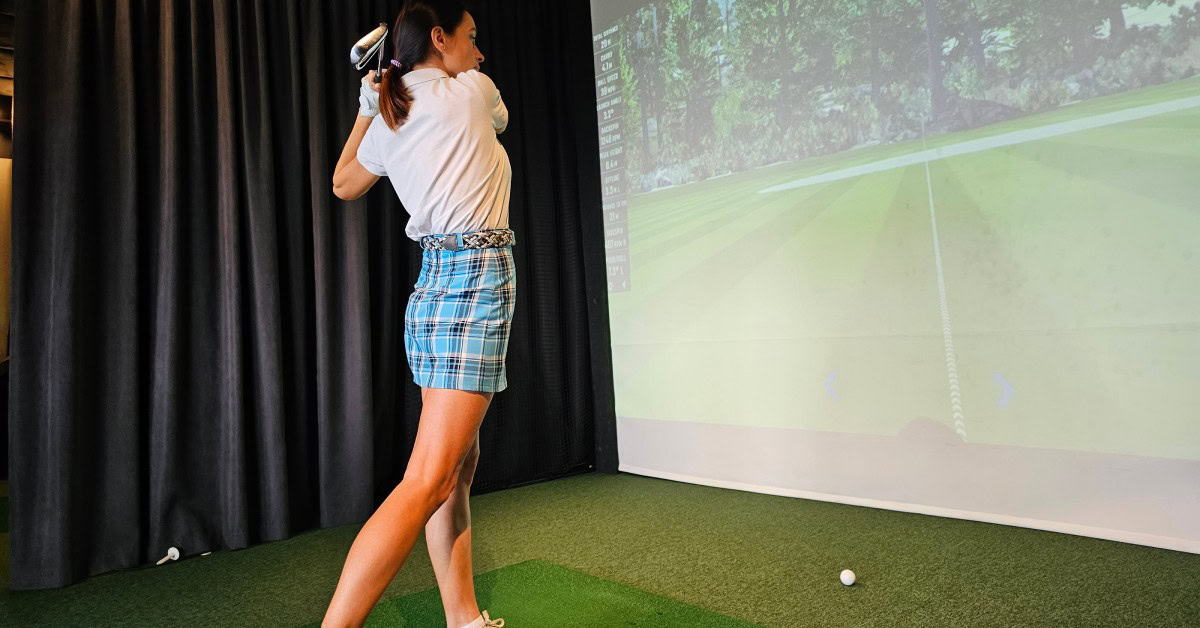
Instant feedback also helps players improve. When a golfer sees their swing path and ball trajectory analyzed on-screen, they can immediately adjust their technique. This combination of entertainment and skill development appeals to both casual players and serious athletes.
Creating a Sense of Urgency
Timed challenges add intensity to escape rooms. The clock ticking down creates pressure, sharpens focus, and makes every decision feel consequential.
Sports simulators can leverage time limits to heighten excitement. A “beat the clock” mode, where players race to score as many points as possible within a set period, introduces competitive urgency. Leaderboards that reset daily or weekly encourage repeat attempts as players strive to claim the top spot.
For venues, timed challenges also improve throughput. When sessions have clear start and end points, staff can manage bookings more efficiently, maximizing simulator usage throughout the day.
Accessibility Without Sacrificing Quality
Escape rooms succeed because they’re accessible. You don’t need special skills or prior experience—just curiosity and a willingness to try. Yet they still challenge experienced players.
Sports simulators sometimes intimidate newcomers, who worry they’ll embarrass themselves. Removing that barrier is critical. Simplified controls, guided tutorials, and casual game modes ensure everyone can participate. At the same time, advanced settings and competitive modes satisfy serious players.
The key is to offer options. Let players choose their experience level, adjust settings to match their comfort, and progress at their own pace. This flexibility ensures the simulator appeals to families, friends, corporate groups, and solo players alike.
Turning Spectators Into Participants
Escape rooms rarely have passive observers. Even if someone isn’t actively solving puzzles, they’re watching teammates, offering suggestions, and staying engaged.
Sports simulators often have a similar dynamic, but not always in a positive way. Watching someone else play can feel like dead time. Designing experiences where spectators can contribute—cheering for teammates, providing advice, or participating in side challenges—keeps everyone involved.
For example, spectators could trigger bonus rounds, vote on the next challenge, or compete in mini-games while waiting their turn. This approach transforms downtime into entertainment, making the entire group’s experience more cohesive.
Why This Matters for Commercial Venues
Hotels, resorts, and sports bars thrive when they offer unique experiences that guests can’t find elsewhere. A sports simulator that incorporates escape room design principles stands out in a crowded entertainment landscape.
Guests aren’t just playing virtual sports—they’re embarking on adventures, collaborating with friends, and creating memories. That emotional connection drives repeat visits, positive reviews, and word-of-mouth promotion.
For residential installations, these design elements elevate a home simulator from a luxury gadget into a centerpiece of social gatherings. When friends and family visit, they’re not just playing a game—they’re experiencing something memorable.
Making the Experience Unforgettable
The best escape rooms leave players buzzing with excitement long after they’ve left. They talk about clever puzzles, surprising twists, and hilarious team moments. Sports simulators have the same potential when they prioritize engagement, variety, and connection.
By adopting escape room design principles—immersive storytelling, adaptive difficulty, collaborative gameplay, and thematic variety—sports simulators can transcend their traditional role and become entertainment destinations in their own right.
Whether you’re running a sports bar, managing a resort, or installing a simulator in your home, the goal is the same: create experiences people want to repeat. When you combine cutting-edge technology with thoughtful design, you don’t just offer a game—you create an unforgettable adventure.
Ready to transform your space into a hub of immersive, engaging entertainment? Explore how HD SportSuite can elevate your venue or home with over 30 sports and games designed for maximum fun.