How Athletes Can Reduce Weather-Related Training Disruptions
Weather can turn a carefully planned training week into a series of last-minute adjustments. Rain can close fields, extreme temperatures can make outdoor sessions unsafe, and winter conditions can limit access to the spaces athletes rely on for regular practice. Those interruptions can affect more than one workout when coaches build each session around specific technical or conditioning goals.
Athletes cannot control the forecast, but they can control how they respond to it. Indoor training options, flexible scheduling, and well-planned alternatives can help maintain consistency without forcing athletes to compromise safety. A strong backup strategy keeps development moving even when outdoor conditions refuse to cooperate.
Why Weather Can Disrupt a Training Plan
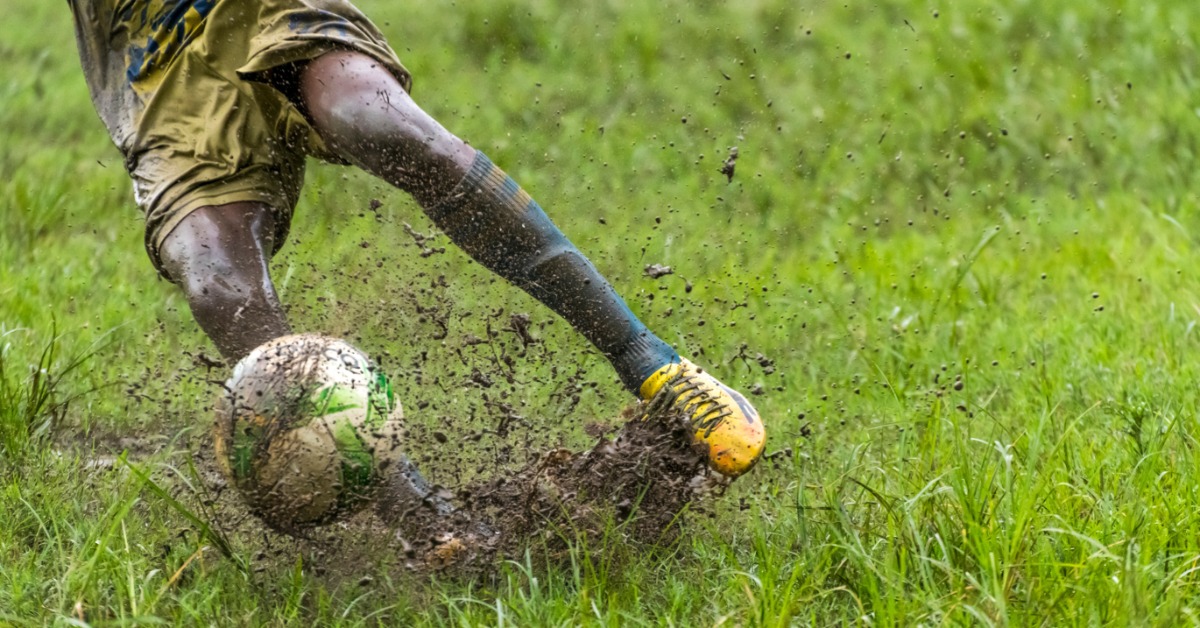
Outdoor training gives athletes space to work through realistic movement patterns and sport-specific situations. However, wet surfaces can increase safety concerns, while excessive heat or cold can reduce the amount of productive work an athlete completes. Severe conditions can also force teams to cancel sessions entirely.
Frequent disruptions make it harder to maintain a consistent training rhythm. Coaches often organize workouts in a sequence so one session prepares athletes for the next. When weather removes an important practice day, athletes may lose valuable repetitions or need to rearrange the rest of the week.
Build Indoor Training Into the Weekly Routine
Indoor training works best when athletes treat it as part of their normal schedule rather than an emergency solution. A gym, indoor turf facility, training room, or home setup can provide a reliable place for technical work when outdoor conditions become unpredictable. Regular indoor sessions can also make the transition easier when bad weather forces a sudden change.
Moreover, athletes can reduce weather-related training disruptions by removing some uncertainty when planning. Instead of deciding whether to practice only after checking the forecast, athletes can assign specific technical sessions to indoor spaces from the beginning. That structure protects training consistency while keeping the purpose of each workout clear.
Match Indoor Drills to the Skills That Need Repetition

An indoor workout does not need to replicate every part of an outdoor practice. Athletes can focus on mechanics, accuracy, reaction work, or footwork when limited space makes full-field movement impractical. Coaches can also narrow the session around one technical goal and give athletes more opportunities to repeat that skill.
Simulator technology can expand those indoor options by creating sport-specific training opportunities within a controlled environment. An HD multi-sport simulator can support different sports and games within one space, giving residential users and commercial facilities another option when weather limits outdoor access. Athletes should still choose drills that support the original goal of the scheduled session rather than adding repetitions without a clear purpose.
Use a Flexible Training Plan Instead of a Fixed One
Effective training plans need structure, but they also need room for adjustment. Athletes can create outdoor and indoor versions of important workouts before poor weather appears in the forecast. Whenever possible, both versions should target the same skill or physical objective.
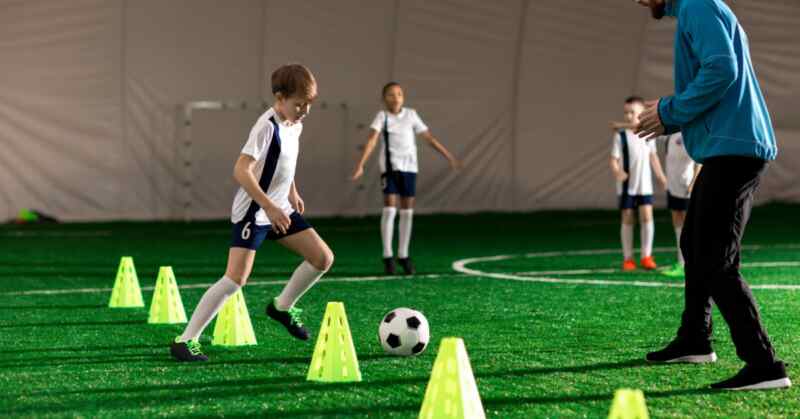
A soccer player might replace outdoor passing and finishing work with indoor touch and accuracy drills when heavy rain affects field conditions. A baseball player could shift from outdoor batting practice to controlled swing work or tracking drills indoors. These changes keep the workout connected to its original purpose instead of turning bad weather into an automatic day off.
Keep Indoor Training Focused
Moving indoors solves the access problem, but athletes still need a clear purpose for the session. Smaller spaces can support detailed repetition, yet athletes should avoid filling practice time with drills that do not contribute to current goals. Coaches can set a defined objective and track progress, so that indoor work remains productive.
Controlled environments can also remove some of the variables that affect outdoor practice. Consistent surfaces and stable conditions make it easier to compare repetitions from one session to another. Athletes can concentrate on execution while coaches evaluate whether specific adjustments improve performance.
Protect Consistency Without Ignoring Recovery
Consistency does not require athletes to replace every canceled outdoor session with another demanding workout. Training programs still need recovery, and an unexpected schedule change may create a useful opportunity for lighter work. Athletes should base that decision on their workload rather than assuming every weather interruption requires additional practice.
Athletes can reduce weather-related training disruptions while protecting the larger training plan by moving an important session indoors or using the day for lower-intensity work when recovery makes more sense. Flexible decisions maintain consistency without turning a weather problem into unnecessary physical stress.
Plan Around Seasonal Weather Patterns
Weather usually follows predictable seasonal patterns even when individual forecasts change quickly. Athletes in colder regions can expect more indoor training during winter and summer heat may require earlier practices or access to climate-controlled spaces. Planning around those patterns can reduce the number of unexpected changes throughout a season.
Coaches can review the calendar before each training block and identify periods when outdoor access may become less reliable. They can schedule more indoor-friendly sessions during those stretches while preserving outdoor practice for days that support full-field or game-like work. This approach creates more stability without requiring athletes to abandon outdoor training.
Create a Reliable Training Environment
Consistent training often depends on access to spaces that support meaningful practice regardless of the conditions outside. Residential athletes may benefit from a dedicated indoor area, while teams or commercial facilities can create spaces that serve several types of training. The best setup should make it easy to transition from the planned outdoor session to an effective alternative.
Technology can play a role in that flexibility, but athletes should keep training goals at the center of every decision. Equipment and indoor spaces provide the greatest value when coaches connect them to purposeful repetitions and a broader development plan. A reliable environment gives athletes another way to protect their schedule without relying entirely on favorable weather.
Stay Consistent When the Forecast Changes
Weather will always influence outdoor sports, but athletes do not have to let it control their entire training schedule. Indoor options and flexible planning can help preserve valuable practice time while allowing athletes to prioritize safety. Preparing alternatives before conditions change also keeps coaches from rebuilding the training week every time rain, snow, or extreme temperatures arrive.
The most effective approach combines preparation with adaptability. Athletes who know where they can train and which drills can replace outdoor work can respond quickly without losing sight of their goals. With a dependable backup plan in place, changing weather becomes an adjustment to the program rather than a reason for progress to stop.
