Why Sports Simulators Are Becoming Standard Training Tools
Athletes and coaches once treated simulator technology as an optional addition to traditional practice. Today, many training programs use it to create controlled sessions, track performance, and repeat specific situations without waiting for ideal weather or facility access. Therefore, sports simulators have become a standard training tool for competitors who want more structure from every session.
The shift does not replace coaching, live competition, or field-based practice. Instead, simulators give athletes an environment where they can test decisions and review technique through purposeful repetition. That combination serves beginners and experienced competitors, along with facilities that support several types of users.
Consistent Practice Creates Better Training Habits
Traditional practice often depends on field availability, weather, staffing, and travel. A simulator reduces many scheduling barriers by giving athletes a reliable indoor setting for focused work. Consistent access helps players maintain routines instead of losing momentum between practices.
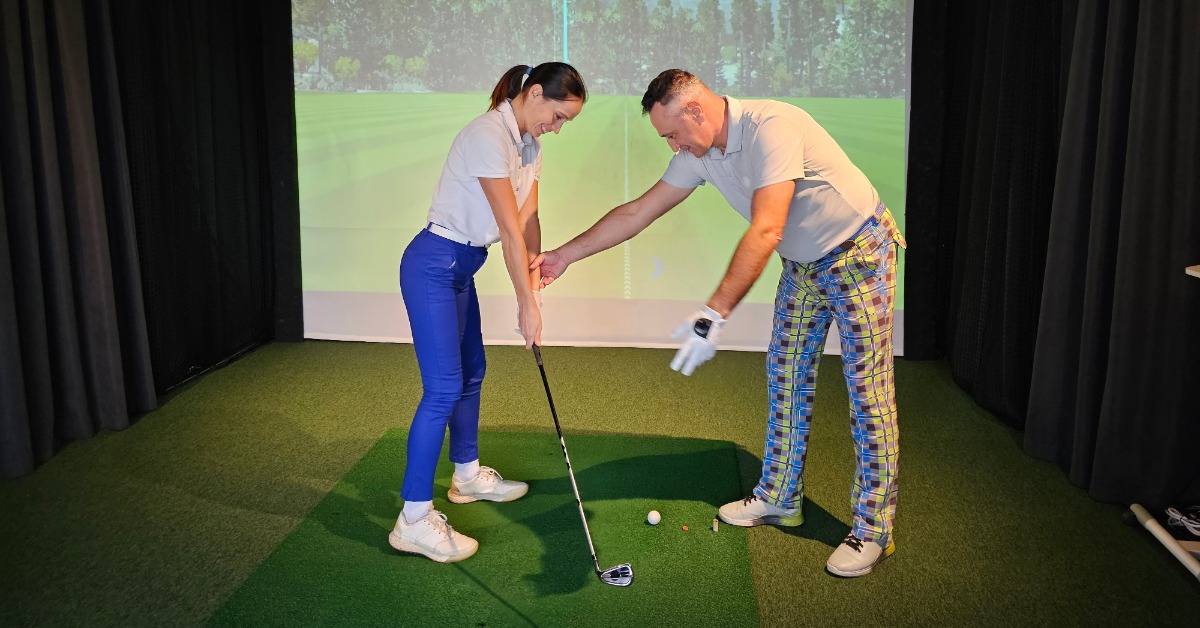
Regular sessions also make it easier to isolate one skill at a time. A golfer can work on club delivery, while a baseball player can focus on timing or pitch recognition. Coaches can build sessions around a narrow objective and keep the athlete’s attention on the movement or decision that needs improvement.
This controlled approach supports stronger training habits because athletes can repeat the same task under similar conditions. They can compare one attempt with the next and make deliberate adjustments. Over time, that structure turns practice into a measurable process instead of disconnected repetitions.
Immediate Feedback Connects Actions With Results
Athletes improve faster when they understand what happened during a movement. Simulator systems can capture performance information and present it soon after each attempt, which helps players connect a technical choice with the result. That connection gives coaches a clearer starting point for instruction.
A player may feel that a swing, release, or shot looked correct even when the outcome suggests otherwise. Visual feedback and tracked data can reveal patterns that the athlete may not notice in real time. Coaches can then explain the adjustment in practical terms and ask the player to test it during the next repetition.
This process also encourages productive conversations between coaches and athletes. Rather than relying only on memory, both sides can review the same result and discuss the next step. That shared reference point keeps the session focused and reduces vague feedback.
Repetition Becomes More Purposeful
Repetition plays an important role in skill development, but volume alone does not guarantee progress. Athletes need a clear goal and useful feedback to recognize patterns. Simulator-based training combines those elements in one setting. Several practical benefits make repetition more valuable during a simulator session:
- Athletes can repeat a specific scenario without resetting an entire field or court.
- Coaches can adjust difficulty as the athlete improves.
- Players can review results between attempts and apply one change at a time.
- Teams can organize stations that keep more participants actively involved.
Each benefit supports a more intentional session. Players spend less time waiting for the next opportunity and more time working on the target skill. Coaches also gain more control over session flow, which helps them protect attention and maintain a useful pace.
Scenario Training Sharpens Decision-Making
Many sports require athletes to process information quickly before they act. A quarterback reads coverage and a goalkeeper reacts to the angle of an attack. Simulators can recreate decision-based situations that challenge players without requiring a full competitive setup.
That capability reinforces why simulator-based sports training has become a standard tool across different skill levels. Coaches can introduce a situation, watch the athlete respond, and repeat the sequence with a new variable. The athlete gains another chance to recognize the cue and choose an effective response.
Scenario work also allows coaches to increase complexity gradually. A beginner can start with a simple task, while an advanced athlete can work through faster or less predictable situations. This progression keeps the challenge appropriate and gives the player a clear path toward more demanding work.
Year-Round Access Supports Long-Term Development

Seasonal sports often create gaps in structured practice. Cold weather, heavy rain, extreme heat, or limited daylight can interrupt outdoor training and reduce the number of quality sessions available. Indoor simulator spaces help athletes maintain continuity when outside conditions change.
Year-round access matters because skill development depends on regular engagement. An athlete who practices steadily can preserve timing and coordination more effectively than someone who stops for long stretches. Coaches can also maintain development plans without rebuilding the schedule around weather disruptions.
Residential users gain similar advantages when they want convenient training at home. A dedicated space can support short, focused sessions between other commitments. Commercial facilities can serve leagues, teams, families, and individual athletes throughout the year, which gives the space a broader purpose.
Multi-Sport Options Increase Facility Value
Many training centers and entertainment venues need technology that can serve more than one audience. A multi-sport setup can help a facility host golfers one day and support baseball, hockey, soccer, lacrosse, or other activities during another session. That flexibility gives operators more ways to use the same room.
A Versus Sports Simulator can create head-to-head drills that keep athletes engaged while they work on accuracy or timing. Friendly competition gives the session a clear objective without removing the training value. Coaches can use that format to create pressure while maintaining control over the environment.
The same versatility benefits residential users who share the space with family members or guests. One person may want serious practice, while someone else may prefer a social game. A flexible system can support both goals without forcing the owner to dedicate separate rooms to separate activities.
Simulators Complement Coaches Instead of Replacing Them
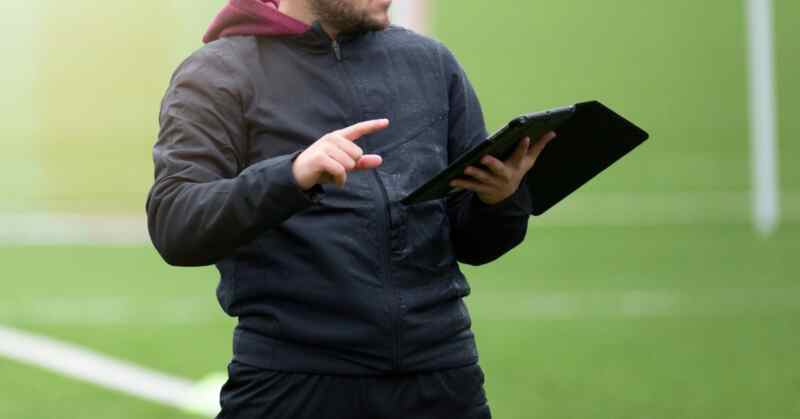
Technology can organize information, but coaches still interpret performance and shape the development plan. They decide which skills deserve attention, how much repetition an athlete needs, and when to move from controlled practice to live play. Simulators strengthen that process by giving coaches another source of feedback.
Strong coaching also protects athletes from chasing numbers without understanding context. A single result rarely tells the full story, especially when fatigue or mechanics influence the outcome. Coaches can connect the data with what they observe and keep the athlete focused on useful changes.
The most effective programs balance simulator sessions with live practice. Each environment contributes something different to the athlete’s development. The simulator offers control and repeatability, while live play tests whether the athlete can apply those skills under changing conditions.
Build a More Consistent Training Program
Sports simulators have earned a lasting place in athlete development because they support consistent practice, immediate feedback, and focused repetition. Coaches can use them to reinforce technical instruction, create realistic scenarios, and track progress without depending on weather or full-field access. Athletes still need live competition, but simulator sessions help them prepare for those demanding moments with greater purpose.
Residential owners and commercial facilities can also use one adaptable space for structured training and engaging recreation. As more programs combine experienced coaching with accurate simulator technology, athletes will gain better opportunities to practice efficiently throughout the year. HD SportSuite helps players, coaches, and facility operators create an indoor training environment that supports both performance goals and long-term use.