7 Ways Technology Is Changing At-Home Recreation
Technology has expanded what homeowners can do with their recreational spaces, creating new opportunities for entertainment without leaving the house. Activities that once required a trip to an arcade or sports facility now fit into dedicated entertainment rooms and other residential spaces. Modern systems also offer interactive experiences that encourage participation rather than passive entertainment.
Homeowners increasingly look for recreational features that support their interests while accommodating different age groups. Digital advancements make these experiences more accessible by combining realistic visuals with responsive equipment. From virtual sports to connected fitness, several innovations continue to reshape how people spend their free time at home.
1. Interactive Sports Simulators Bring Competition Indoors
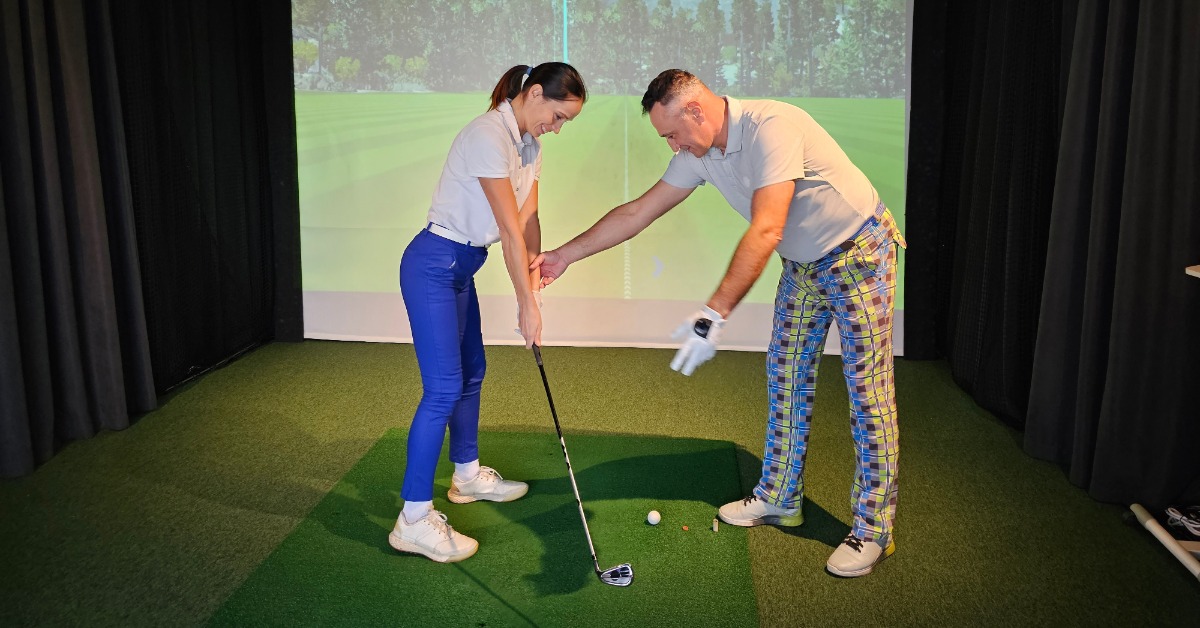
Sports simulators allow homeowners to enjoy athletic activities without traveling to specialized facilities. Advanced systems use cameras and sophisticated software to interpret player movements and recreate sporting experiences on digital displays. Participants can practice familiar skills and enjoy interactive challenges with family members or friends.
One example of how technology is changing at-home recreation involves the growing versatility of multi-sport simulation systems. Rather than dedicating separate rooms to different activities, homeowners can use one installation for several sports. This flexibility makes interactive entertainment particularly appealing to households with varying athletic interests.
HD SportSuite offers a selection of sports and games through its multi-sport simulation technology. Players can participate in golf, soccer, hockey, and other activities within a single recreational environment. A sports simulator at home can therefore support casual competition and provide opportunities for skill-focused practice.
How Simulators Support Different Playing Styles
Interactive systems accommodate different preferences by offering activities that emphasize distinct athletic abilities. Some participants enjoy competitive challenges, while others prefer practicing individual movements without the pressure of organized games. This adaptability helps homeowners create recreational spaces that remain useful as their interests evolve.
2. Virtual Reality Creates More Immersive Experiences
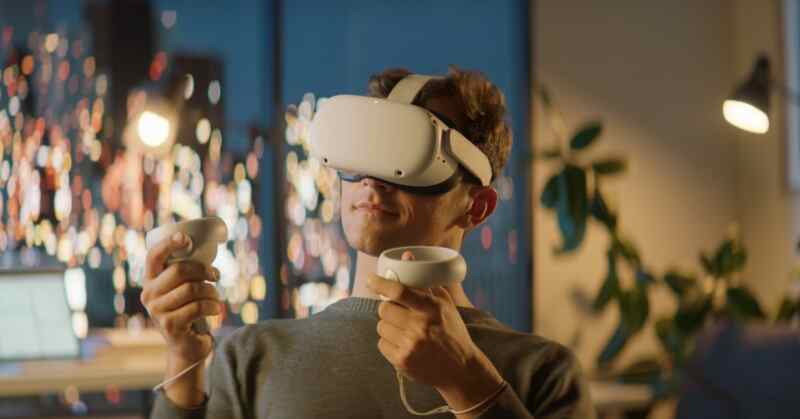
Virtual reality introduces digital environments that respond to a user’s movements and viewing direction. Headsets create a sense of presence within simulated surroundings, allowing participants to experience activities from different perspectives. Instead of watching events unfold on a conventional screen, users can explore virtual spaces through physical interaction.
Recreational VR applications include rhythm games, simulated adventures, and interactive fitness experiences. Motion tracking allows participants to influence the digital environment through gestures or body movements. Different applications offer varying levels of physical engagement depending on their equipment requirements and gameplay design.
Making Virtual Reality Comfortable at Home
Homeowners should consider available floor space before introducing VR equipment into their entertainment areas. Clear surroundings reduce the likelihood of collisions when participants move without seeing their physical environment. Regular breaks and appropriate headset adjustments can also improve comfort during longer sessions.
3. Smart Fitness Equipment Makes Exercise More Interactive

Connected fitness equipment has changed how individuals approach recreational exercise at home. Modern exercise bikes and strength-training systems can provide performance information through integrated screens or companion applications. These features help users monitor their progress and follow workouts that match their preferred activity levels.
Interactive fitness platforms also introduce competition through digital leaderboards and shared challenges. Participants can compare results with other users or work toward personal performance goals over time. Some systems adjust workout difficulty according to user selections or recorded performance, creating a more individualized experience.
Combining Fitness With Entertainment
The relationship between exercise and entertainment continues to influence residential recreation. Fitness games encourage physical movement through challenges that reward participation and improvement. This approach can appeal to people who prefer engaging activities over conventional workout routines.
4. Advanced Gaming Systems Encourage Social Interaction
Gaming technology has moved beyond traditional single-player experiences toward increasingly connected entertainment. Modern consoles and computers support multiplayer games that allow friends to participate together from different locations. Voice communication and online communities add social elements that extend beyond the game itself.
Local multiplayer experiences remain valuable for households that enjoy gathering around shared activities. Cooperative games encourage participants to work toward common objectives, while competitive titles introduce friendly rivalries. Larger displays and responsive controllers can make these experiences more engaging for groups.
Creating Spaces for Group Entertainment
A thoughtfully arranged gaming area can accommodate multiple participants without sacrificing comfort. Homeowners should consider seating positions and display visibility when planning the layout. Reliable connectivity also supports smoother online participation, particularly when several household members use connected devices simultaneously.
5. Smart Home Systems Simplify Entertainment Control
Smart home technology allows homeowners to manage entertainment equipment through connected interfaces. Compatible systems can coordinate lighting and audio settings according to different recreational activities. This convenience reduces the need to adjust individual devices whenever someone changes how they use the room.
For example, homeowners can establish lighting preferences for movie nights or interactive gaming sessions. Voice assistants and mobile applications may offer additional control over supported equipment. The available functions depend on device compatibility and the configuration of the home’s connected systems.
Supporting Flexible Recreational Spaces
Flexible entertainment rooms benefit from technology that accommodates changing activities. A space might serve as a family viewing area during the afternoon before becoming a gaming room later in the evening. Automated settings can simplify those transitions while helping homeowners maintain a consistent recreational experience.
6. Personalized Entertainment Adapts to Individual Preferences
Personalization represents another important example of how technology is changing at-home recreation for modern households. Digital platforms increasingly use viewing history or user-selected preferences to recommend entertainment options. These systems help people navigate extensive content libraries without manually reviewing every available choice.
Music services can create playlists around preferred genres, and gaming platforms may suggest titles based on previous activity. Some interactive applications also adjust challenge levels according to participant performance. These capabilities allow household members to enjoy experiences that better reflect their individual interests.
Balancing Personalization With Shared Activities
Personalized entertainment does not have to replace recreational experiences that bring people together. Families can use recommendations to select movies or games that appeal to several participants. Maintaining a balance between individual preferences and group activities helps recreational spaces serve a wider range of household needs.
7. High-Definition Displays Improve Visual Experiences
Display technology plays an important role in the quality of modern home entertainment. High-resolution screens can reveal finer visual details, while compatible high-refresh-rate displays support smoother motion during fast-paced games. These improvements contribute to more engaging experiences when the content and connected equipment support them.
Projection systems offer another option for homeowners who want larger viewing surfaces. Their performance depends on factors such as ambient lighting and projector placement. Choosing appropriate equipment requires careful consideration of the room rather than relying on screen size alone.
Matching Technology to the Available Space
Homeowners should evaluate viewing distances and equipment requirements before investing in display upgrades. A larger screen does not automatically provide a better experience when the room cannot accommodate comfortable viewing positions. Thoughtful planning helps recreational technology complement the surrounding environment.
Bringing Modern Recreation Into the Home
Technology continues to expand the possibilities for residential entertainment, offering homeowners more ways to enjoy familiar activities indoors. Interactive sports systems and immersive digital experiences provide alternatives to conventional recreation while supporting different interests. The most suitable options depend on available space and how household members prefer to spend their leisure time.
HD SportSuite brings sports-focused entertainment into residential environments through its versatile multi-sport simulation systems. Homeowners who want to combine athletic participation with interactive entertainment can explore our sports and games to see which experiences suit their recreational goals. With careful planning, modern technology can help transform an ordinary room into a more engaging destination for everyday enjoyment.