Jul 14, 2026
What to Know Before Opening an Indoor Sports Facility
Opening an indoor sports facility can create a strong business opportunity for owners who plan the concept with care. Athletes, families, corporate groups, and sports fans all look for active indoor experiences that feel convenient and worth repeating. A successful facility needs more than open space and equipment; it needs a clear plan for revenue, layout, programming, and guest experience.
The biggest decisions usually happen before opening day. Owners need to understand what to consider before opening an indoor sports facility to avoid costly layout issues, weak booking demand, and confusing operations. A smart plan helps the facility serve guests well from the first visit and continue growing after the launch excitement fades.
Start With the Right Business Model
A strong business model gives the facility direction before owners choose equipment or sign a lease. The concept should define who will book the space most often and what each group expects from the experience. Youth teams, adult leagues, private coaches, families, and corporate groups all use indoor sports spaces in different ways.
Owners should also decide whether the facility will focus more on training, entertainment, events, or recurring league play. Each model affects pricing, staffing, equipment, and scheduling. A training-heavy facility may need instructors and structured sessions, while an entertainment-focused venue may need easier gameplay and stronger group packages. A clear business model should answer several practical questions before launch:
- Which customers will drive the most repeat bookings?
- Which programs will fill slow hours?
- Which activities will require staff support?
- Which services will create premium revenue?
These answers help owners avoid a facility that looks impressive but lacks a steady path to revenue. The best indoor sports concepts connect the customer, programming, and space plan from the beginning. That connection gives the business a stronger foundation before the first guest arrives.
Choose a Location With Everyday Access
Location can influence bookings as much as the facility itself. Owners should look for a site near neighborhoods, schools, hotels, business districts, or entertainment areas that match the target audience. A great indoor sports concept can struggle when guests find the location difficult to reach.
Parking, visibility, and traffic flow also deserve serious attention. Parents need simple drop-off areas, corporate guests need clear directions, and league players need parking that works after business hours. A facility that creates friction before guests walk inside can weaken repeat visits.
The surrounding area should also support the brand. A premium simulator venue may fit well near resorts, sports bars, private clubs, or high-end retail areas. A training-focused facility may perform better near schools, gyms, and local athletic programs.
Plan the Layout Around Movement
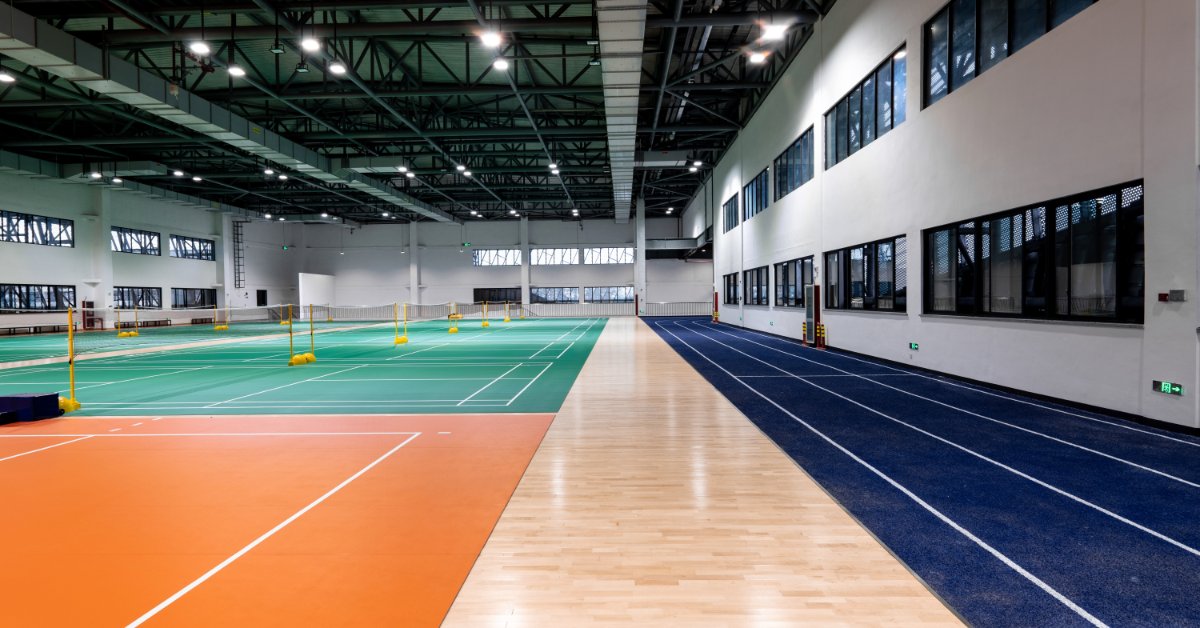
Indoor sports facilities need room for active play, safe movement, and comfortable viewing. Owners should plan beyond the playing surface and include check-in areas, seating, storage, restrooms, and staff zones. Every square foot should support either guest comfort or operational efficiency.
Ceiling height, lighting, flooring, and wall protection can shape the experience. Sports activities often involve swings, throws, quick steps, and fast reactions. A space that feels too tight can limit gameplay and make guests less comfortable.
Technology-based spaces require even more planning. Simulator bays, screens, cameras, projectors, and tracking systems may need specific distances and lighting conditions. Owners should design the room around the activity instead of forcing the activity into a leftover space.
Build a Programming Plan Before Opening Day
Programming turns a building into a business. Owners should map out private rentals, league nights, training sessions, birthday parties, corporate events, and open-play hours before launch. A clear schedule helps customers understand the facility and gives staff a repeatable process.
Planning programs early gives owners a clearer sense of what to know before opening an indoor sports facility, especially when they want steady revenue beyond weekends and opening-week interest. Owners who plan programming early can create a balanced calendar instead of relying on weekend traffic alone. A facility that fills weekdays and slower hours can build steadier income. Operators can use these program types to create a practical schedule:
- Skill training for athletes
- Group rentals for families
- League play for repeat visitors
- Corporate events for larger bookings
- Open play for flexible time slots
Each program should include a clear price, time limit, and staffing process. Customers book more confidently when they understand the offer. Employees also deliver a better experience when each session follows a simple structure.
Invest in Technology That Supports Growth
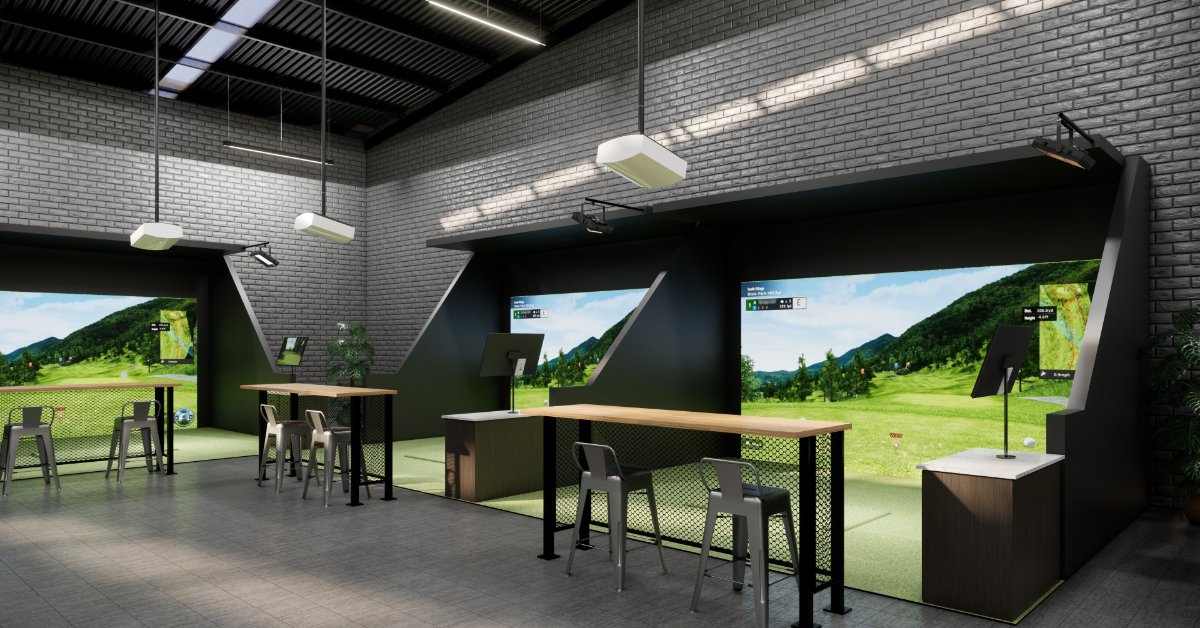
Technology can help an indoor sports facility stand out when it improves play, competition, and convenience. Simulators, booking software, scoring displays, and digital check-in tools can help owners manage the space with more control. The right systems also give guests a reason to talk about the venue after they leave.
A multi-use simulator setup can help owners serve athletes, families, and groups in the same footprint. For example, a sports league simulator can support organized competition while still giving casual players a fun reason to join. That flexibility can help operators reach multiple audiences without adding separate rooms for every activity.
Owners should evaluate technology based on reliability, support, and ease of use. A system that looks impressive during a demo still needs to perform during busy weekends. Staff should also feel comfortable starting sessions, guiding guests, and handling basic troubleshooting.
Design the Guest Experience From Entry to Exit
Guests start judging the facility before they play. Clear signage, friendly check-in, clean seating, and simple instructions all shape the first impression. A smooth first visit can help guests feel comfortable enough to return.
The best facilities make participation easy. Guests should know where to stand, how to start, where to place personal items, and how to ask for help. Clear direction reduces confusion and lets groups spend more time enjoying the activity.
Spectators also matter. Parents, friends, and coworkers may not play during every session, but they can still influence future bookings. Comfortable viewing areas and clean common spaces can turn a short visit into a better overall experience.
Understand Staffing and Training Needs
Indoor sports facilities need staff members who can manage people, equipment, scheduling, and guest questions. Owners should hire for communication skills and patience, not only sports knowledge. A staff member who explains the experience well can make first-time guests feel welcome.
Training should cover more than opening and closing tasks. Employees need to know how to greet groups, reset equipment, manage late arrivals, and solve common issues. A consistent process protects the guest experience during busy hours.
Managers should also create standards for safety and customer service. Clear rules help staff handle crowded periods and group events with confidence. Guests notice when a team runs the facility with control and care.
Price for Value, Not Just Time
Pricing should reflect the full experience, not only the minutes a guest spends playing. A premium indoor sports facility can charge more when it offers reliable technology, clean spaces, and organized service. Customers often measure value by how easy the outing feels from start to finish.
Packages can encourage repeat visits. League memberships, training bundles, event rentals, and group packages give customers options that fit different needs. Clear pricing also helps staff explain the value without making the sales process feel forced.
Owners should review pricing after launch as booking patterns become clearer. Some programs may attract more demand than expected, while others may need a different schedule or format. Regular review helps the facility stay profitable without guessing.