May 14, 2026
How Real-Time Feedback Improves Athlete Decision-Making
Athletes make split-second decisions that define outcomes. A faster read, a sharper adjustment, or a smarter choice often separates good from elite performance. Technology now gives athletes immediate insight into every movement, helping them refine decisions as they happen. This shift explains how real-time feedback improves athlete decision-making across every level of competition.
The Link Between Feedback and Performance
Athletes rely on feedback to improve. Traditional coaching methods depend on delayed review, which slows learning and limits impact during live play. Real-time data removes that delay and creates instant awareness.
When athletes see results immediately, they connect action to outcome without guesswork. They adjust technique, timing, and positioning on the spot. This direct loop builds stronger habits and sharper instincts.
Faster Reactions Under Pressure

Game situations demand quick thinking. Athletes often rely on instinct, but instinct improves through repetition and correction. Real-time feedback accelerates that process by reinforcing correct decisions instantly.
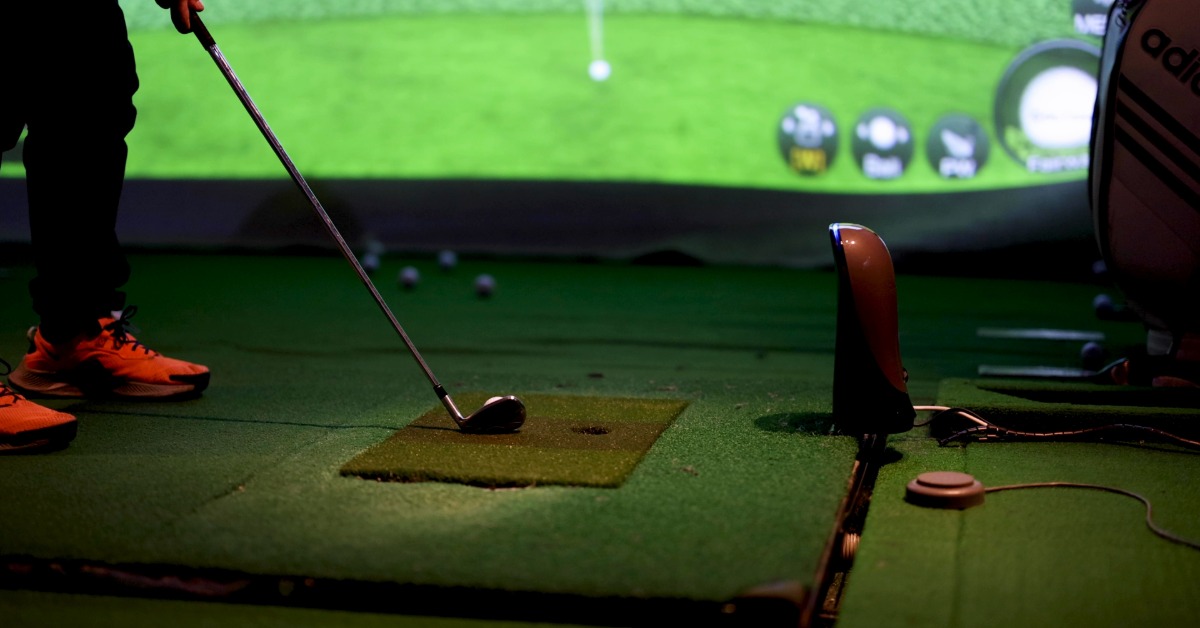
For example, a quarterback reading coverage benefits from immediate confirmation of timing and accuracy. A golfer gains insight into swing path and ball spin right after impact. These insights shorten reaction time and increase confidence in future plays.
Improving Situational Awareness
Situational awareness drives decision-making in sports. Athletes must process movement, space, and timing all at once. Real-time feedback enhances this awareness by highlighting patterns and tendencies.
With consistent feedback, athletes begin to anticipate outcomes before they occur. They recognize defensive setups, predict ball trajectories, and position themselves more effectively. This awareness leads to smarter, faster decisions in competitive environments.
Training Smarter With Technology
Modern training environments use advanced systems to deliver instant data. Tools like motion tracking, ball analytics, and visual replay allow athletes to refine skills in real time. These systems create controlled environments where players can test decisions without external pressure.
A sports simulator from HD SportSuite provides one of the most effective platforms for this type of training. Athletes can repeat scenarios, analyze results, and adjust strategies in a single session.
Building Confidence Through Immediate Validation
Confidence grows when athletes trust their decisions. Real-time feedback provides that trust by confirming correct actions immediately. This validation reinforces positive behavior and eliminates hesitation.
Athletes who hesitate often second-guess themselves. Immediate feedback removes doubt and replaces it with clarity. Over time, this clarity transforms into consistent, confident performance.
Reducing Mistakes Before They Become Habits
Mistakes happen in every sport. The problem arises when athletes repeat errors without correction. Real-time feedback stops that cycle before it begins.
Instead of reviewing mistakes hours later, athletes correct them instantly. This approach prevents bad habits from forming and promotes cleaner, more efficient technique. As a result, athletes improve faster and maintain higher performance standards.
Enhancing Muscle Memory and Decision Speed
Muscle memory plays a critical role in athletic performance. Athletes rely on repeated movements to execute under pressure. Real-time feedback strengthens this process by ensuring each repetition reinforces the correct action.
When athletes pair movement with immediate correction, they build precise muscle memory. This precision leads to faster decision-making because the body responds automatically. The brain processes less, and the athlete reacts more.
Real-World Applications Across Sports
Different sports benefit from real-time feedback in unique ways. Each application highlights how immediate data improves decision-making.
Coaches and trainers often use real-time systems to simulate game scenarios. These systems allow athletes to practice decisions repeatedly in controlled conditions. This method creates measurable improvements across multiple sports.
Key Applications Include:
- Athletes refine swing mechanics by analyzing ball speed, spin, and angle instantly.
- Players improve spatial awareness by reviewing positioning and movement patterns in real time.
- Teams enhance strategy by testing plays and adjusting tactics during simulated scenarios.
Each application strengthens the connection between action and outcome, leading to better decisions during live competition.
Bridging the Gap Between Practice and Competition
Practice environments often differ from real competition. Athletes may perform well in training but struggle under pressure. Real-time feedback helps close that gap.
By simulating real conditions and providing instant insights, athletes train their minds and bodies together. They learn to make decisions under realistic constraints while receiving immediate correction. This approach prepares them for actual game situations more effectively.
Data-Driven Coaching Advantages
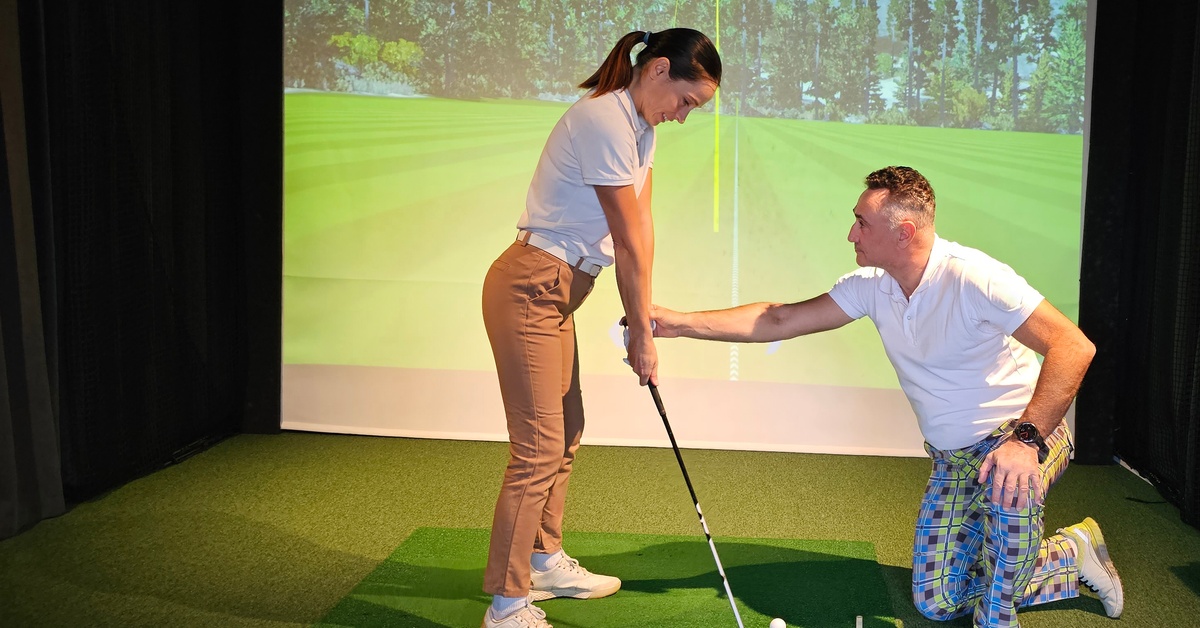
Coaches play a critical role in athlete development. Real-time feedback enhances coaching by providing objective data alongside observation. This combination allows coaches to give more precise and actionable guidance.
Instead of relying solely on visual assessment, coaches use data to support their instruction. They identify patterns, track progress, and adjust training plans with accuracy. This method improves communication and accelerates athlete development.
Creating Engaging and Effective Training Environments
Athletes respond well to engaging training environments. Real-time feedback systems create interactive sessions that keep athletes focused and motivated. These environments combine competition, analysis, and repetition in one experience.
Players stay engaged because they see results immediately. They compete against themselves, refine techniques, and track improvement in real time. This engagement leads to more productive training sessions and better long-term results.
The Psychological Edge of Instant Feedback
Mental performance often determines success in sports. Athletes must stay focused, confident, and adaptable. Real-time feedback supports these mental traits by providing clarity and direction.
When athletes understand their performance instantly, they reduce uncertainty. This clarity helps them stay composed and make better decisions under pressure. Over time, this mental edge becomes a competitive advantage.
Why Real-Time Feedback Matters for All Skill Levels
Real-time feedback benefits athletes at every level. Beginners use it to build fundamentals, while advanced players use it to refine elite skills. The technology adapts to different needs and goals.
Younger athletes gain confidence and learn faster through immediate correction. Experienced players fine-tune performance and maintain consistency. This versatility makes real-time feedback a powerful tool across all stages of development.
The Future of Athletic Training

Technology continues to evolve, and real-time feedback will play an even larger role in training. Advanced systems will provide deeper insights, more precise tracking, and more immersive experiences.
Athletes who embrace this technology will gain a clear advantage. They will train smarter, react faster, and make better decisions in every situation. This evolution highlights how real-time feedback improves athlete decision-making in modern sports.
Make Faster, Smarter Decisions When It Counts
Athletes need more than repetition to improve. They need insight, clarity, and immediate correction. Real-time feedback delivers all three, transforming how athletes train and compete.
From faster reactions to smarter decisions, the benefits remain clear. Athletes who use real-time feedback build stronger habits, sharper instincts, and greater confidence. In today’s competitive landscape, that edge makes all the difference.