
May 29, 2026
What Is Sportstainment and Why Does It Matter?
Modern audiences expect far more from sports entertainment than a simple viewing experience. Fans now seek environments that combine competition, interaction, and technology in ways that feel immersive and memorable. Businesses, entertainment venues, and homeowners continue adapting to those expectations by investing in interactive sports experiences that encourage participation instead of passive observation.
The rise of sportstainment reflects that cultural shift. The concept merges sports and entertainment into a single experience that prioritizes immersion, competition, and engagement across multiple audiences. Resorts, sports bars, luxury homes, and commercial venues increasingly rely on advanced sports simulators and interactive gaming environments to attract guests and maintain long-term engagement.
What Is Sportstainment?
Sportstainment combines athletic competition with immersive entertainment technology to create experiences that feel interactive and highly engaging. Instead of separating sports from gaming or entertainment, sportstainment blends them together through advanced simulation systems, multiplayer competition, and realistic digital environments.
The concept includes a wide range of experiences across both residential and commercial markets. Some venues focus on immersive golf simulators that recreate championship courses with remarkable realism. Others emphasize multi-sport experiences that allow guests to play football, soccer, hockey, baseball, basketball, and interactive skill games within the same environment. HD SportSuite supports that demand with more than 30 sports and games powered by advanced tracking systems and detailed 3D modeling technology.
Why Interactive Experiences Matter to Modern Audiences
Audience behavior has changed significantly during the last decade because people increasingly prefer entertainment that encourages direct participation. Traditional spectator experiences still attract large audiences, but immersive environments create stronger emotional engagement because participants actively shape the experience.
Interactive sports environments create excitement through competition and shared experiences. Friends can compete in virtual golf tournaments, families can participate in soccer challenges, and corporate groups can use sports simulators for team-building events. Those experiences often create longer engagement periods because participants remain actively involved throughout the activity.
Technology also plays an essential role in audience appeal. Modern simulators use high-speed cameras, advanced sensors, and realistic graphics to create environments that closely replicate real-world gameplay. HD SportSuite uses advanced computer vision technology to measure ball speed, spin, launch angle, and club-face contact with remarkable precision while recreating realistic environments through detailed 3D modeling.
Customization further strengthens audience engagement because players can tailor experiences to their preferences and skill levels. Competitive athletes may focus on training and performance metrics, while casual users may prioritize entertainment and multiplayer interaction. That adaptability allows sportstainment environments to appeal to multiple demographics simultaneously.
How Immersion Shapes the Sportstainment Experience

Immersion serves as one of the most important elements within successful sportstainment environments because realistic experiences create stronger emotional investment. High-definition projection systems, realistic sound design, responsive gameplay mechanics, and accurate tracking technology all contribute to environments that feel authentic and engaging.
Modern sports simulators recreate real-world conditions with extraordinary detail. Golf simulators can reproduce famous championship courses using real-world terrain data and advanced graphics rendering. Football and soccer simulators can measure throwing accuracy, kicking precision, and reaction speed while maintaining fast-paced gameplay that feels entertaining and competitive.
Commercial venues benefit significantly from immersive environments because customers remain engaged longer and interact more frequently with the space. A traditional sports bar may rely primarily on televised events to attract customers, while a sportstainment venue creates direct interaction that encourages longer visits and repeat business. Customers often share those experiences online as well, which increases visibility and customer interest through social media engagement.
Luxury homeowners also embrace immersive sports environments because they create versatile entertainment spaces that support both recreation and athletic training. A single simulator room can function as a golf lounge, multiplayer gaming space, training facility, and entertainment room without requiring extensive renovations or outdoor space.
The Technology Behind Sportstainment
Technology remains the driving force behind the rapid growth of sportstainment because immersive experiences rely heavily on precision tracking, realistic visuals, and responsive gameplay systems. Without advanced technology, these environments would lose the realism and competitive excitement that make them appealing.
Modern sports simulators now rely on multiple high-speed cameras and advanced computer vision systems to track movement with exceptional accuracy. HD SportSuite measures ball flight, spin rates, launch conditions, and club movement down to extremely fine tolerances, creating realistic gameplay experiences for both recreational users and professional athletes.
The popularity of simulation sports games has also influenced consumer expectations. Many audiences already engage with digital sports gaming culture through consoles and multiplayer gaming experiences. Sportstainment bridges the gap between physical activity and digital entertainment by allowing players to physically participate inside immersive virtual environments.
Artificial intelligence and data-driven performance analysis continue to shape the industry’s future as well. Modern systems can provide instant feedback, personalized gameplay experiences, and detailed performance analytics that improve both entertainment value and athletic development. Those advancements add to the importance of sportstainment and make it more appealing to businesses, athletes, and casual users alike.
Why Businesses Continue Investing in Sportstainment
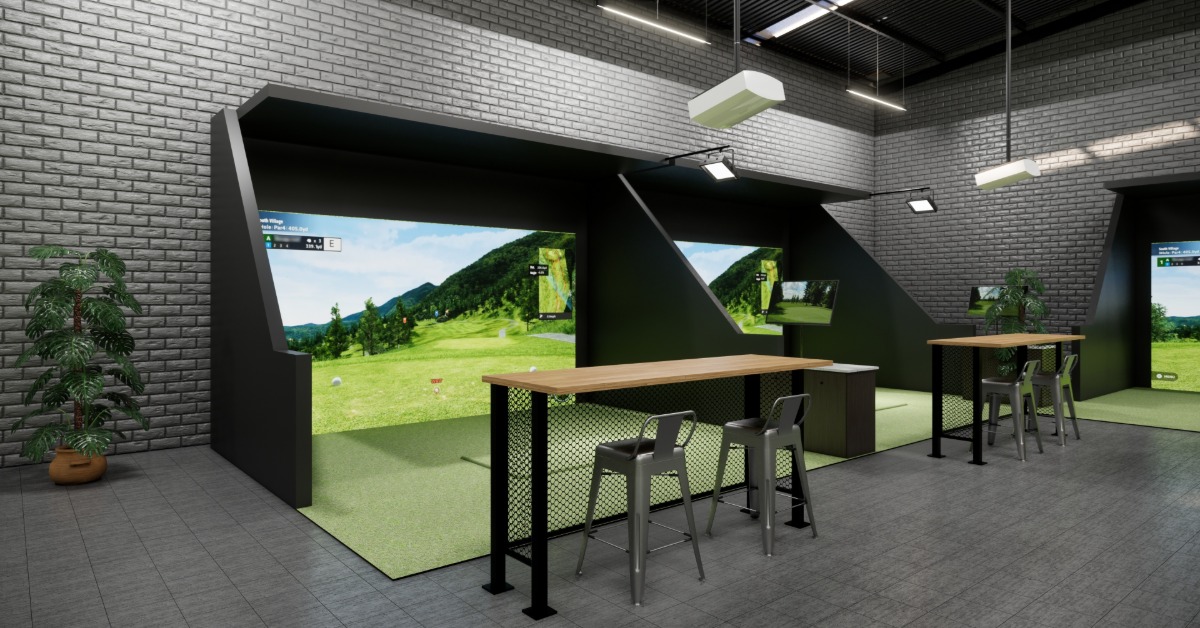
Commercial interest in sportstainment continues to grow because immersive sports environments create strong customer engagement and measurable financial value. Hotels, entertainment venues, sports bars, resorts, and event spaces increasingly use interactive sports attractions to differentiate themselves within competitive markets. Several business advantages continue driving investment in sportstainment environments:
- Interactive sports experiences encourage guests to remain at venues longer.
- Multiplayer activities create opportunities for group bookings and private events.
- Immersive environments generate social media content that increases visibility.
- Sports simulators appeal to casual players and competitive athletes alike.
- Indoor environments allow businesses to operate year-round without weather limitations.
Many businesses also appreciate the flexibility that simulator-based entertainment provides. A venue can host recreational events, competitive leagues, corporate gatherings, and athletic training sessions within the same space. That versatility creates multiple revenue opportunities while appealing to diverse customer demographics.
The hospitality industry continues embracing sportstainment because immersive entertainment aligns with modern guest expectations. Travelers increasingly seek experiences that feel unique and interactive rather than passive or repetitive. Sportstainment environments help hotels and resorts create attractions that encourage guests to spend more time on-site while enhancing the overall entertainment experience.
Why Sportstainment Matters for Athletes
Professional athletes and serious competitors increasingly rely on immersive simulator technology because advanced tracking systems provide immediate performance feedback in controlled environments. Athletes can practice consistently regardless of weather conditions while measuring precise performance metrics during every session.
Golfers can analyze swing mechanics and ball flight patterns in real time. Baseball players can evaluate reaction speed and hitting accuracy during repetitive drills. Football quarterbacks can improve throwing precision while monitoring movement patterns and release angles. These tools create efficient training environments that support both skill development and long-term consistency.
Gamified training environments also improve athlete engagement by keeping motivation high during repetitive practice sessions. Competitive gameplay mechanics help athletes remain mentally focused while reinforcing muscle memory and performance habits.
The growing crossover between athletic development and immersive entertainment highlights the importance of sportstainment across modern sports culture. Training technology no longer exists separately from entertainment experiences, as audiences increasingly expect environments that combine competition and engagement into a cohesive experience.
Sportstainment Continues Redefining Modern Entertainment
Sportstainment has transformed the relationship between sports, entertainment, technology, and social interaction by creating experiences that feel immersive and highly engaging. Advanced simulation systems now allow businesses and homeowners to create realistic sports environments that support both entertainment and athletic development.
As immersive technology advances, the line between gaming, sports competition, and social entertainment will continue to narrow. Audiences increasingly expect experiences that encourage participation and interaction rather than passive viewing alone. By embracing sportstainment today, businesses and homeowners can be at the forefront of one of the fastest-growing trends in modern sports entertainment.