Jul 21, 2026
How Coaches Use Simulators for Skill-Specific Repetition
Athletes improve through repetition, but not all repetition produces the same results. Coaches constantly look for ways to maximize practice time while maintaining quality and consistency. Modern sports technology has expanded those opportunities by giving coaches access to simulation tools that create repeatable training situations with measurable outcomes.
The growing use of simulators has changed how athletes develop technical skills. Instead of waiting for specific weather conditions, opponents, or game situations, coaches can use simulators to recreate key scenarios whenever training demands them. This approach helps athletes sharpen mechanics, improve decision-making, and reinforce habits through focused repetition.
Why Repetition Matters in Skill Development
Every sport requires athletes to perform specific movements repeatedly under varying levels of pressure. Coaches understand that consistent repetition helps athletes build muscle memory and improve execution. However, traditional training environments often introduce variables that make repetition less precise.
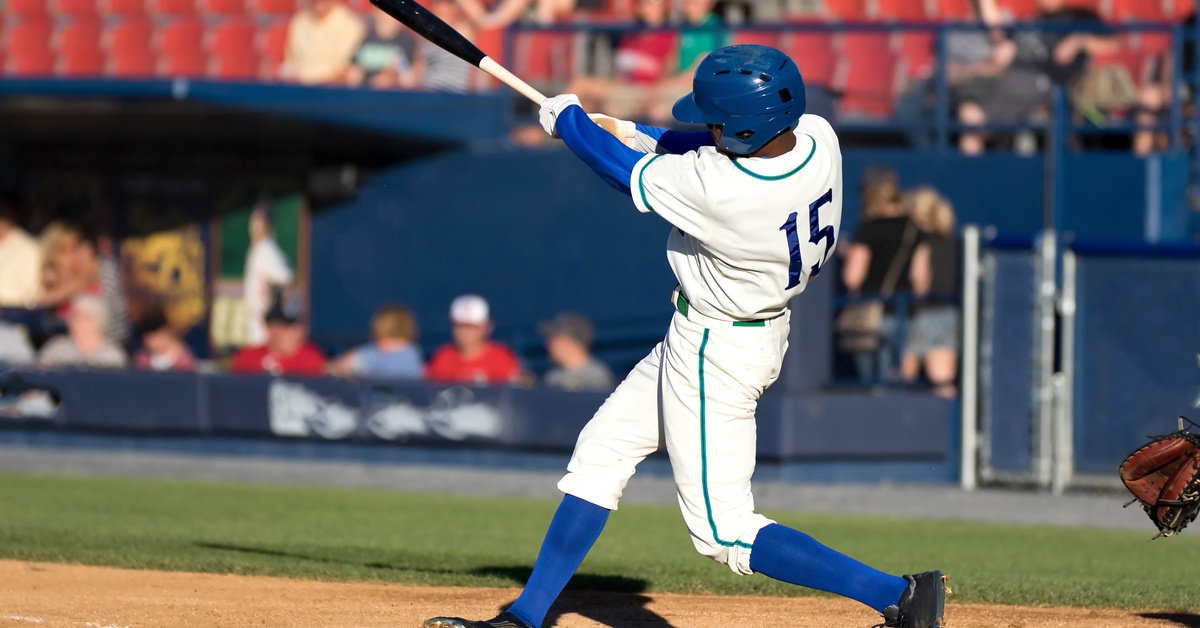
A baseball coach may want a hitter to face the same pitch location dozens of times. A hockey coach may want players to repeat a shooting sequence from a particular angle. A golfer may need hundreds of swings focused on one adjustment. Simulators allow coaches to isolate those situations and repeat them with remarkable consistency.
This consistency creates a stronger connection between instruction and execution. Athletes receive immediate opportunities to apply coaching feedback rather than waiting for the next suitable practice scenario.
Creating Controlled Training Environments
One of the biggest advantages of simulation technology involves control. Coaches can manipulate conditions to emphasize a particular skill while eliminating distractions that may interfere with learning. A controlled environment allows coaches to:
- Focus training on a single technique.
- Repeat identical scenarios multiple times.
- Adjust difficulty levels as athletes improve.
- Measure progress through objective data.
These benefits help athletes concentrate on the specific task at hand. Rather than adapting to changing external factors, they can devote their attention to refining mechanics and building confidence. Controlled environments also reduce wasted practice time. Coaches spend less time setting up drills and more time reinforcing the skills that directly impact performance.
Reinforcing Proper Technique
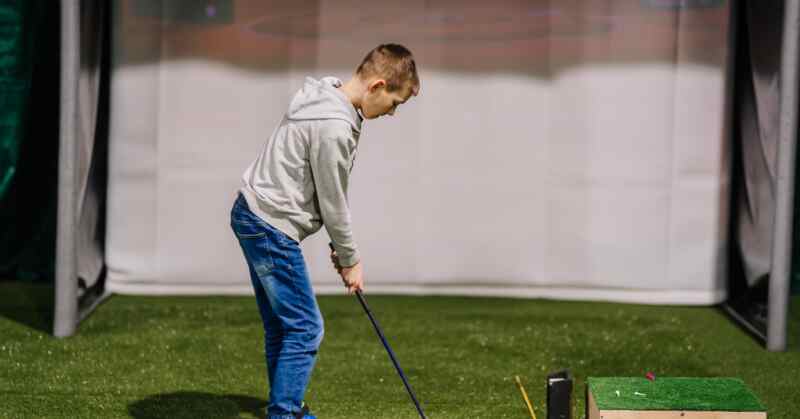
Athletes often develop bad habits when repetitions occur without proper feedback. Coaches use simulators to ensure athletes repeat the correct movement patterns instead of reinforcing mistakes.
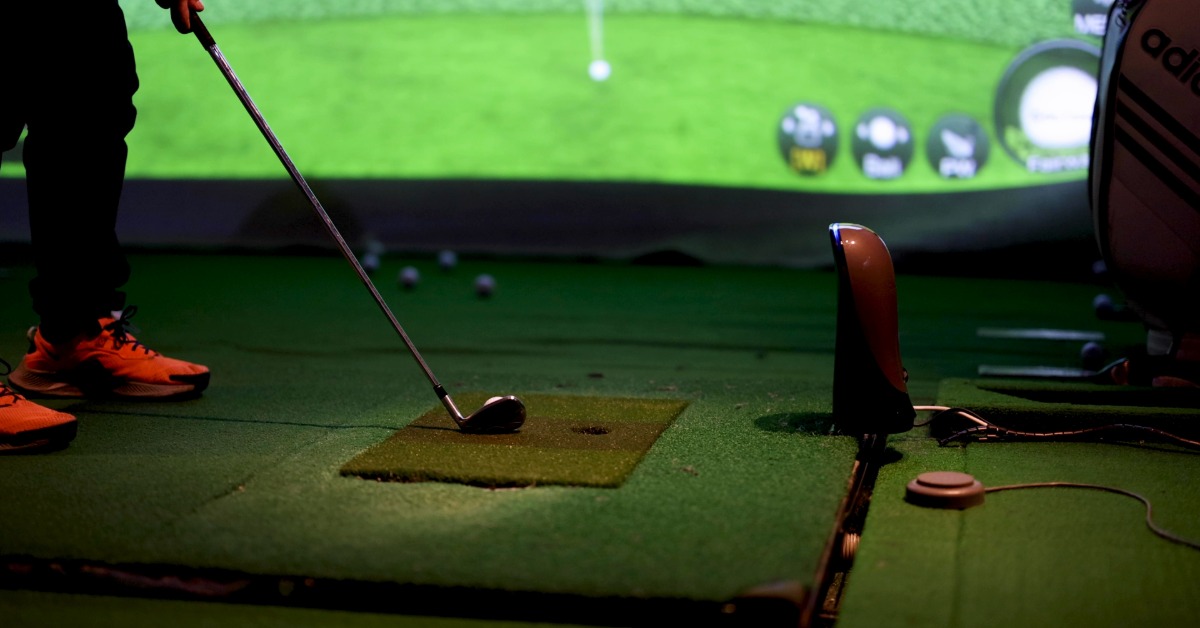
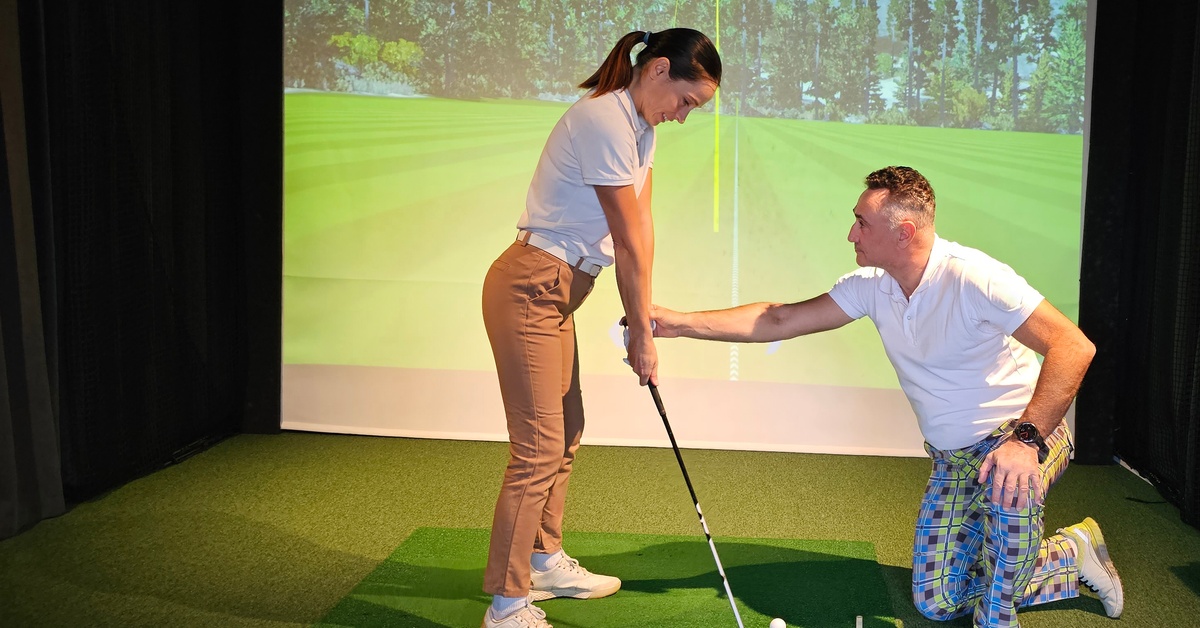
For example, a golfer working on swing path can perform repeated shots while receiving instant information about club position, ball flight, and impact conditions. A baseball player can monitor launch angles and contact quality after every swing. This feedback loop allows coaches to make adjustments immediately.
The combination of repetition and feedback accelerates improvement. Athletes no longer need to guess whether a change worked because the simulator provides measurable results after each attempt.
This process also helps coaches identify issues earlier. Small mechanical flaws become easier to spot when data accompanies every repetition. The combination of instant feedback and consistent practice highlights how coaches use simulators for skill-specific repetition to accelerate skill development and reinforce proper technique.
Building Sport-Specific Skills
General athletic ability matters, but sport-specific skills often determine competitive success. Coaches use simulation technology to recreate situations that closely resemble real competition.
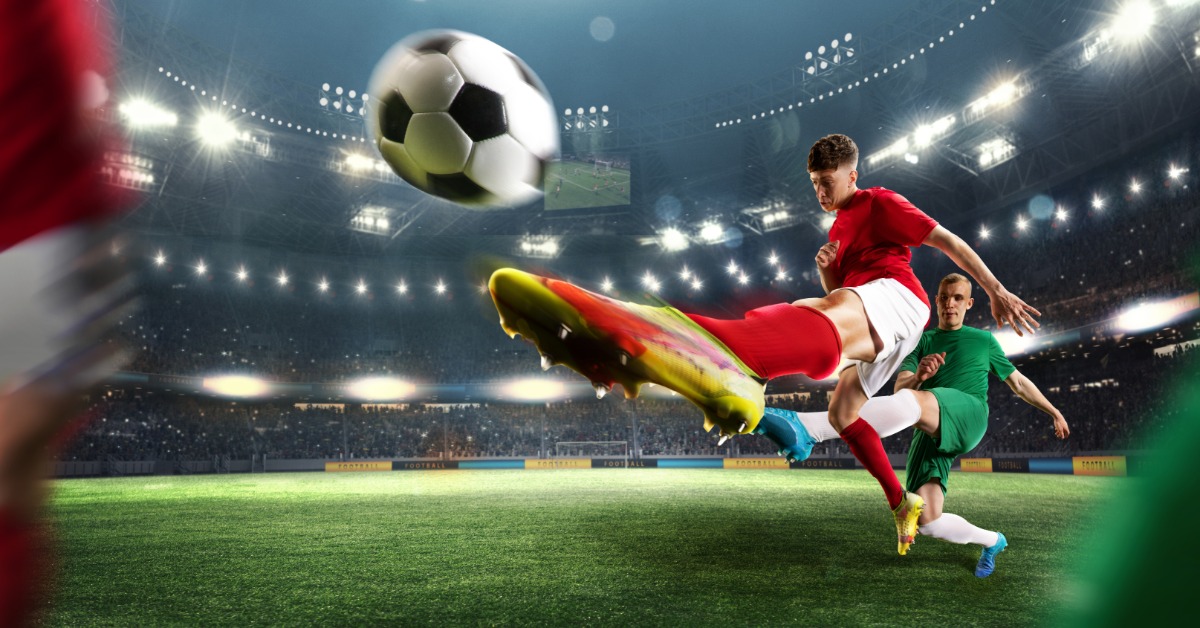
Instead of performing generic drills, athletes can train in environments designed around the demands of their sport. A soccer player can practice finishing from specific positions. A quarterback can work through passing reads. A hockey player can refine shot placement from various locations on the ice.
These focused sessions allow coaches to target weaknesses while reinforcing strengths. Athletes spend more time practicing the exact situations they encounter during competition.
This targeted approach explains how coaches use simulators for skill-specific repetition across many sports. The technology supports deliberate practice rather than generic activity.
Improving Decision-Making Under Pressure
Technical skills represent only part of athletic performance. Athletes must also process information quickly and make effective decisions during competition. Simulators help coaches create situations that challenge an athlete’s decision-making process. By presenting game-like scenarios repeatedly, coaches can teach athletes how to recognize patterns and respond more effectively.
For example, a football player may work through defensive coverages while practicing reads and reactions. A hockey player may face different offensive opportunities that require rapid choices. A golfer may evaluate strategic shot selections based on changing course conditions.
Repeated exposure builds familiarity. Athletes become more comfortable recognizing situations because they have encountered similar scenarios many times during training. As confidence grows, reaction times often improve alongside decision quality.
Using Data to Guide Coaching
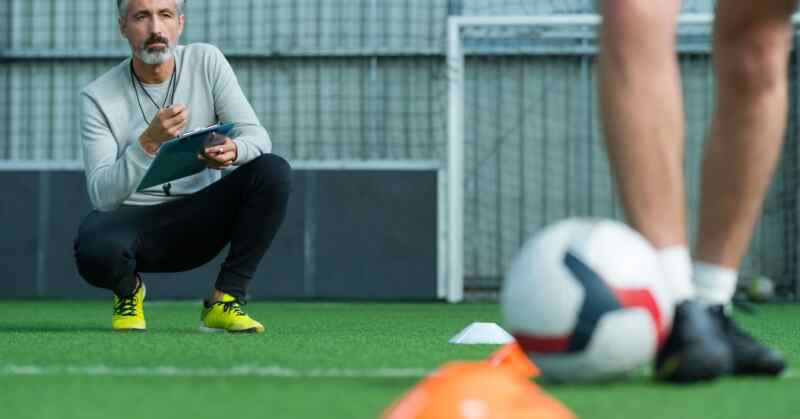
Modern simulators provide valuable performance data that helps coaches make informed decisions. Rather than relying solely on observation, coaches can evaluate objective measurements that reveal strengths and weaknesses. Metrics vary by sport, but common examples include:
- Ball speed and spin rates.
- Shot accuracy and consistency.
- Swing mechanics and impact quality.
- Reaction times and decision patterns.
This information helps coaches develop more effective training plans. Data highlights areas that require attention while confirming whether an athlete’s adjustments produce meaningful improvements. Athletes also benefit from seeing measurable progress. Objective results often reinforce motivation because improvement becomes easier to track over time.
Supporting Athletes Across Multiple Sports
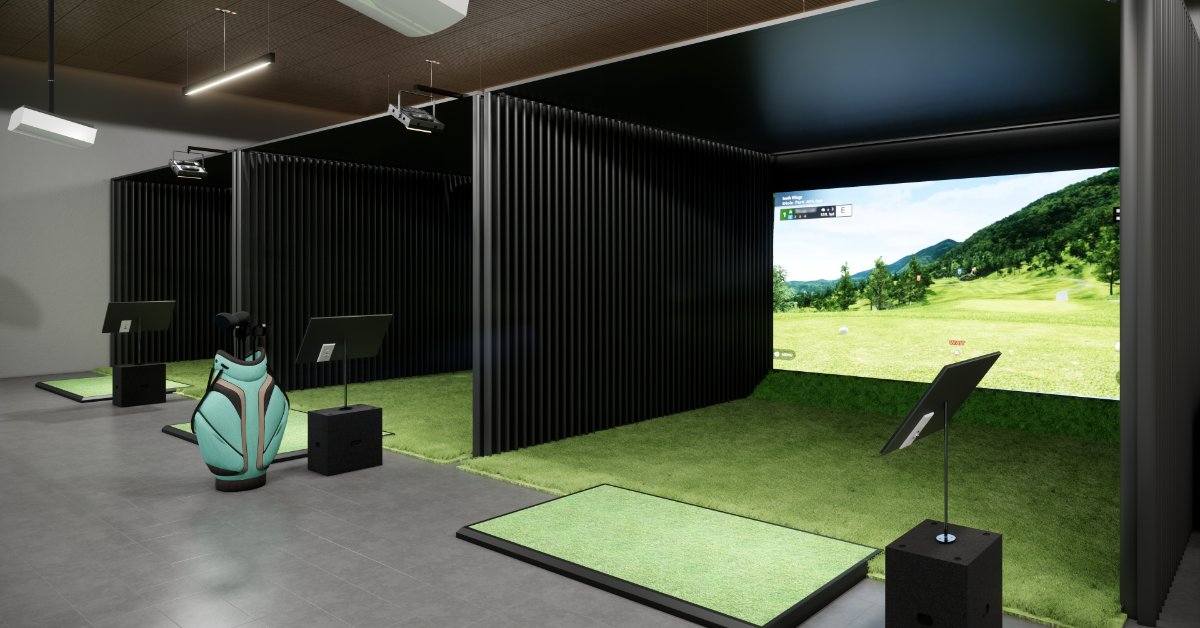
Many training facilities now incorporate a multi-sport simulator because athletes increasingly seek versatile practice environments. Coaches appreciate the flexibility these systems provide when working with individuals who participate in different sports throughout the year.
A single training space can support golf, baseball, hockey, soccer, football, lacrosse, and numerous other activities. This versatility allows coaches to customize sessions based on seasonal priorities and individual development goals.
Athletes benefit from year-round access to skill-focused training opportunities. Coaches gain a flexible tool that supports both recreational participants and elite competitors. As simulation technology continues to advance, these systems offer even greater opportunities for specialized training and performance evaluation.
Maintaining Consistency Throughout the Year
Weather, travel schedules, and facility availability usually create challenges for coaches. Simulators help eliminate many of these obstacles by providing a reliable training environment year-round.
Athletes can maintain training routines regardless of the season. A golfer can continue refining swing mechanics during winter months. A baseball player can work on hitting drills when outdoor fields remain unavailable. A hockey player can practice shooting without needing ice time.
Consistent training opportunities support long-term development. Coaches avoid interruptions that might otherwise slow progress or reduce skill retention. This reliability helps athletes maintain momentum and stay focused on improvement goals.
The Future of Repetition-Based Training
Simulation technology continues to evolve as coaches seek better ways to develop athletes. Improved tracking systems, advanced graphics, and enhanced data collection create increasingly realistic training experiences.
These advancements allow coaches to design highly specific training sessions tailored to individual needs. Athletes receive more personalized feedback and more opportunities to repeat critical skills in realistic environments.
The value of repetition has never changed. What has changed is the ability to control, measure, and optimize every repetition. That capability explains why simulators continue to gain popularity across amateur, collegiate, and professional sports.
Turning Repetition Into Results
Successful coaching depends on creating meaningful opportunities for improvement. Simulators give coaches a powerful tool for delivering focused repetitions, immediate feedback, and measurable outcomes. Athletes gain access to consistent practice environments that reinforce proper technique and support long-term development.
The growing adoption of simulation technology reflects a simple truth: quality repetition drives progress. As coaches continue refining training methods, simulatorswill remain an important part of helping athletes build skills, improve performance, and reach their full potential.