Sep 18, 2026
Why Reaction Time Training Matters Across Multiple Sports
Athletes rarely compete in situations where every movement follows a predictable script. A defender closes space or a pass arrives faster than expected, and the athlete must recognize the situation before choosing a response. Strong reaction skills help athletes process those changes quickly enough to keep technique and decision-making connected.
Reaction time does not depend on speed alone. Athletes also need to identify relevant cues and select the right action before they move. Training that challenges those abilities can support quicker responses while helping athletes stay composed when a play develops faster than expected.
What Reaction Time Means in Sports
Reaction time describes the interval between recognizing a stimulus and beginning a response. In sports, that stimulus might come from the ball, an opponent, or a changing scoring situation. The athlete then interprets the cue and starts the movement that fits the moment.
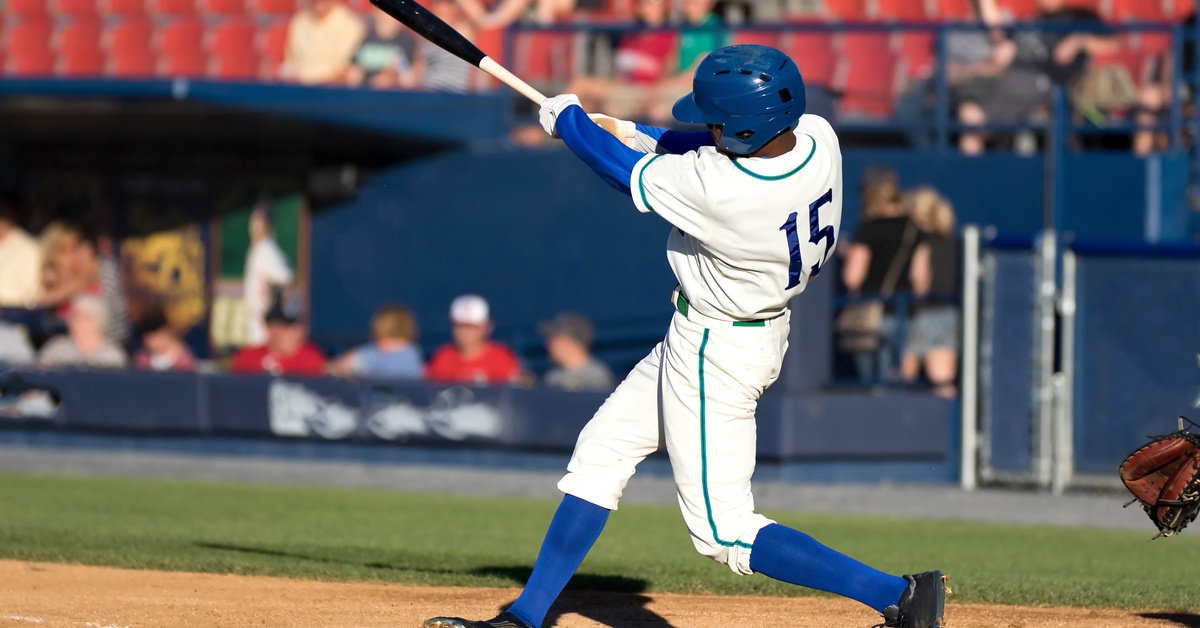
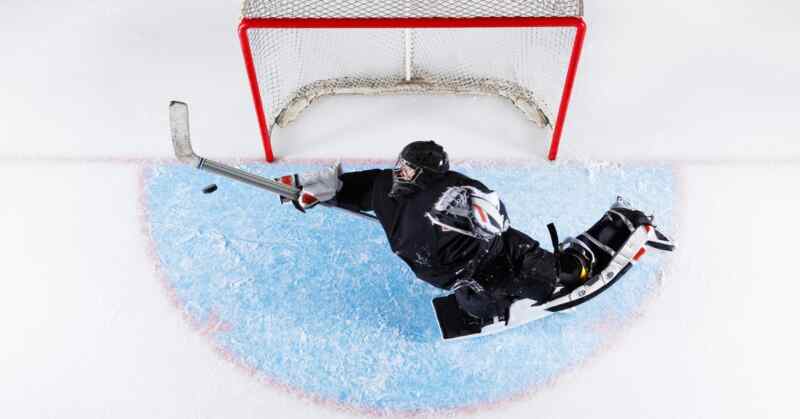
Different sports place different demands on that process. A baseball hitter tracks pitch speed and location, while a hockey goalie reads the release of a shot and adjusts position. A basketball player may react to a defender’s movement before deciding whether to pass, drive, or shoot.
That variation explains why reaction time training matters across multiple sports even when the movements look completely different. The goal does not always involve moving faster in a straight line. Athletes usually need to recognize information sooner and connect that information to the correct sport-specific response.
Faster Reactions Start With Better Cue Recognition
Athletes cannot react effectively if they focus on the wrong information. Experienced players tend to recognize meaningful visual cues sooner because they know which details tend to predict what happens next. Training can reinforce that skill by repeatedly exposing athletes to realistic situations that require quick recognition.
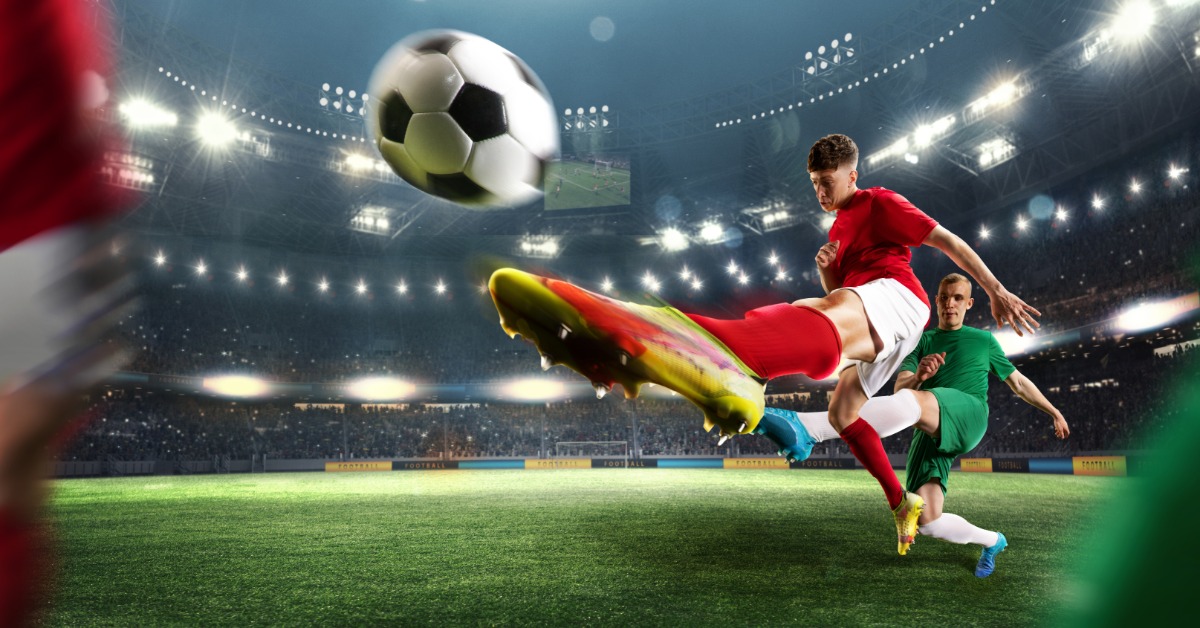
A soccer goalkeeper, for example, may watch an opponent’s body position before a shot. A quarterback may read a defender’s alignment before deciding where to throw. Those situations reward athletes who process useful cues without wasting attention on movement that does not affect the play.
Coaches can build this skill through drills that change timing or target location from one repetition to the next. Unpredictability forces the athlete to interpret the cue and respond instead of memorizing a fixed pattern. That makes each repetition more relevant to the demands athletes face during competition.
Reaction Training Supports Better Decisions
Fast movement has limited value when an athlete chooses the wrong action. Effective reaction training should connect physical response time with decision-making, so that athletes practice selecting the right option under pressure. That connection matters in open-skill sports where the environment changes from moment to moment.
Basketball offers a clear example because players constantly respond to shifting defenders and teammates. A player may need to recognize help defense before choosing a pass instead of forcing a shot. Repeated decision-based training can help athletes process those situations with less hesitation.
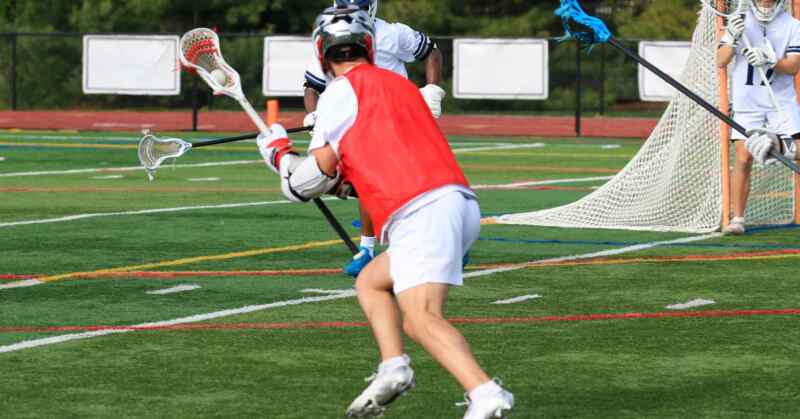
The same principle applies in soccer, hockey, football, and lacrosse. Players typically succeed because they identify the right response early enough to execute it cleanly. Reaction work becomes more useful when drills challenge the brain and body at the same time.
Sport-Specific Repetition Makes Training More Relevant
General reaction drills can help athletes practice attention and response speed, but sport-specific repetitions create stronger context. Athletes benefit when the cue and decision closely resemble what they expect during competition. That approach helps coaches focus on usable reactions rather than quick movements that have little connection to the sport.
A tennis player may react to changing ball placement, while a baseball player may identify pitch location before swinging. A hockey player may respond to shots from different angles and release points. These examples show why reaction time training matters across multiple sports even though each athlete needs a different stimulus and response.
How Simulators Can Add Controlled Variety
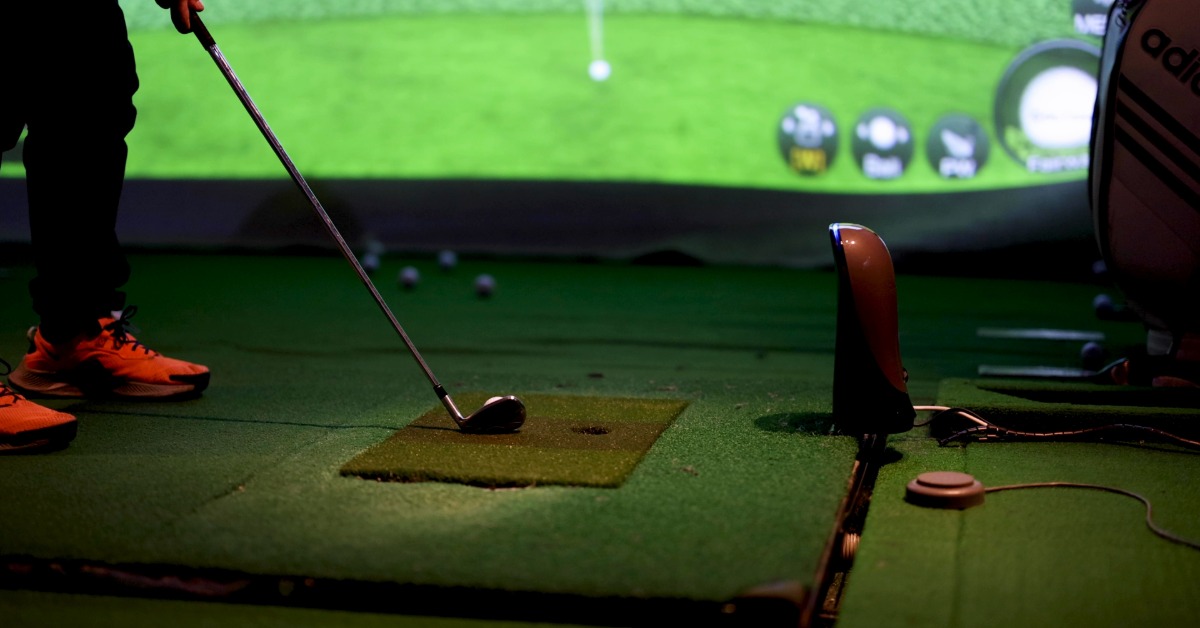
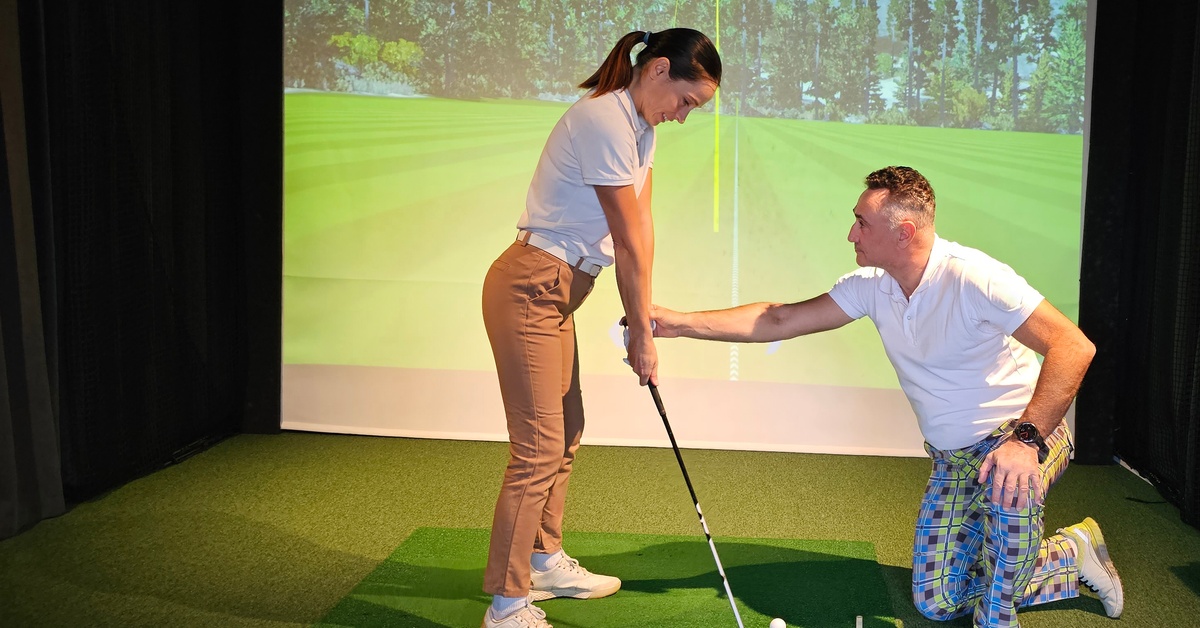
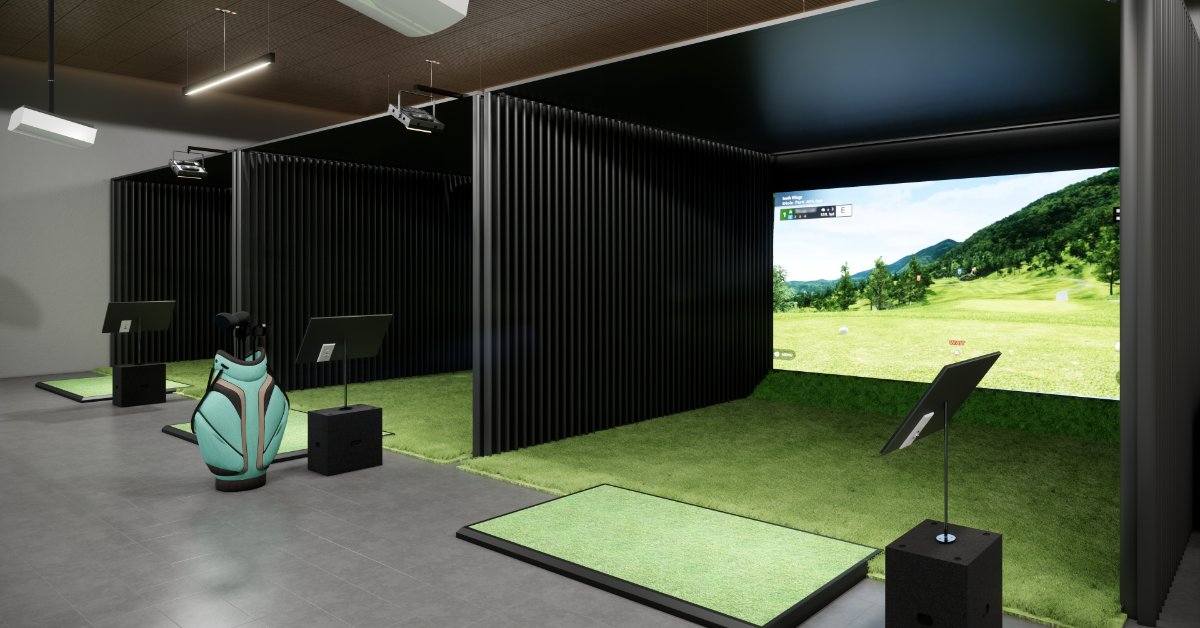
Simulation technology can give athletes repeated exposure to changing visual situations without requiring a full team practice. A multi-sport simulator can support several activities in the same space, which gives athletes opportunities to work on different reaction patterns while maintaining a controlled setup. HD SportSuite offers multiple sports and games that can help users shift between activities without rebuilding the training environment for every session.
Simulators should complement physical practice rather than replace it. Athletes still need live competition and coaching to develop complete game performance. Simulation can add another option when weather, space, scheduling, or access to training partners limits traditional practice.
Reaction Time Can Influence Several Parts of Performance
Reaction training can support more than the first movement after a cue. Athletes often need quick recognition to protect positioning and technical execution during fast plays. A delayed read can force an athlete to rush the rest of the movement even when the athlete has strong physical skills. Several performance areas can benefit from reaction-focused practice:
- Defensive positioning: Athletes can respond sooner to an opponent’s movement and protect space more effectively.
- Ball or object tracking: Players can practice following changes in speed and direction.
- Decision execution: Athletes can reduce hesitation between identifying a cue and starting the appropriate action.
- Competitive composure: Repeated exposure to changing situations can help athletes stay organized when pressure increases.
These benefits depend on the quality of the training. Random movement alone does not guarantee meaningful improvement. Coaches should connect each drill to a clear cue and a realistic response so that athletes understand what they need to recognize.
Coaches Should Progress Reaction Drills Carefully
Reaction work becomes more difficult when coaches increase uncertainty or shorten response windows. Athletes usually need to perform the basic movement correctly before the drill becomes more complex. Otherwise, the athlete may simply practice rushed technique.
A coach might begin with one predictable cue and one response. The coach can then vary direction or timing before adding a choice between multiple actions. That progression gives the athlete a stronger foundation while still creating room for faster processing.
Coaches can also vary reaction work based on fatigue. Early-session drills can emphasize precise recognition, while later-session drills can challenge athletes to maintain response quality when tired. Matching drill placement to the goal helps coaches separate pure reaction practice from decision-making under physical stress.
Building Reaction Skills That Transfer to Competition
Reaction time plays a role whenever athletes must interpret information and act before an opportunity disappears. Strong training connects recognition with movement decisions so that athletes do more than chase faster numbers. The most useful drills reflect the timing and choices that athletes face in their actual sport.
A consistent training plan can help athletes become more comfortable with fast-changing situations across practices and seasons. Coaches can combine live drills with simulation-based activities to create useful variety without losing sport-specific focus. HD SportSuite can support that approach by giving athletes access to multiple sports experiences within one indoor environment.