Aug 25, 2026
Soccer Simulators and How They Can Improve Your Skills
Soccer rewards players who can think quickly and execute with control. Traditional drills help build those abilities, but poor weather or limited field access can interrupt a training schedule. A soccer simulator gives athletes a reliable indoor space for focused technical work.
Understanding how soccer simulators can improve your skills starts with repetition that serves a clear purpose. Players can focus on one movement, then use the result to guide the next attempt. That structure helps athletes use practice time well without turning the session into a routine exercise.
What Is a Soccer Simulator?
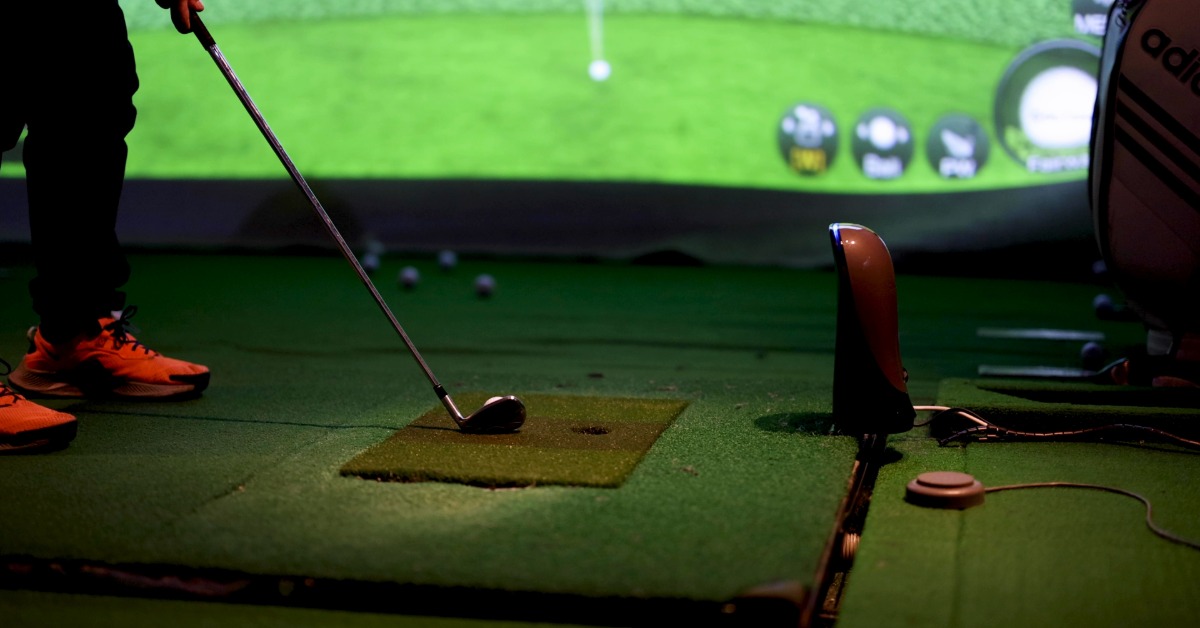
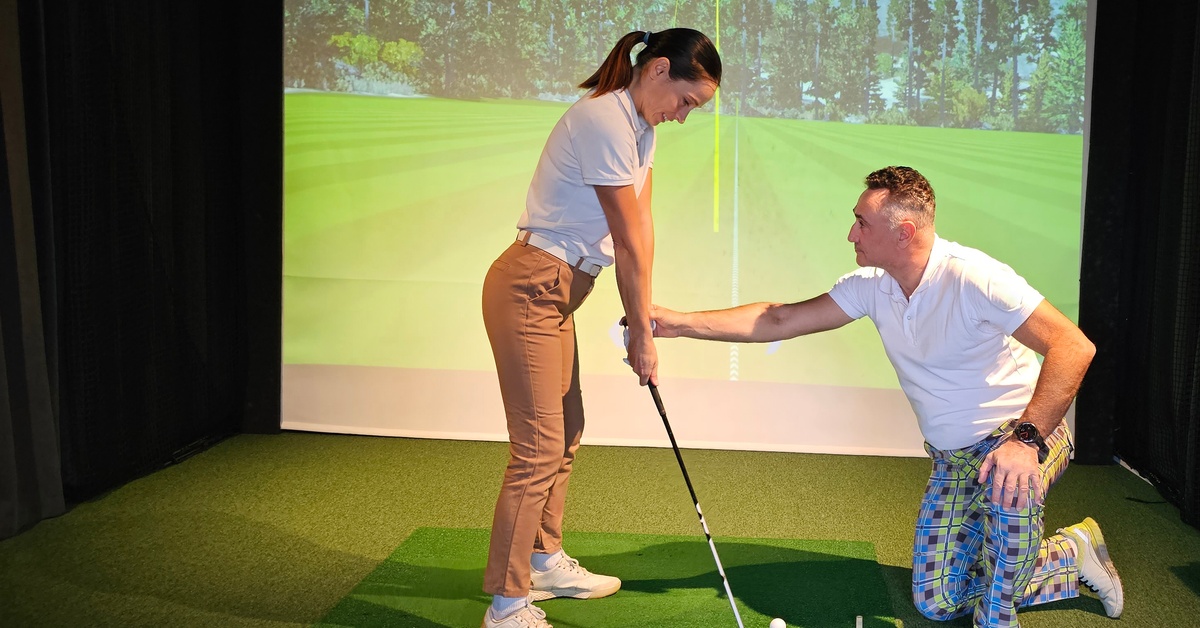
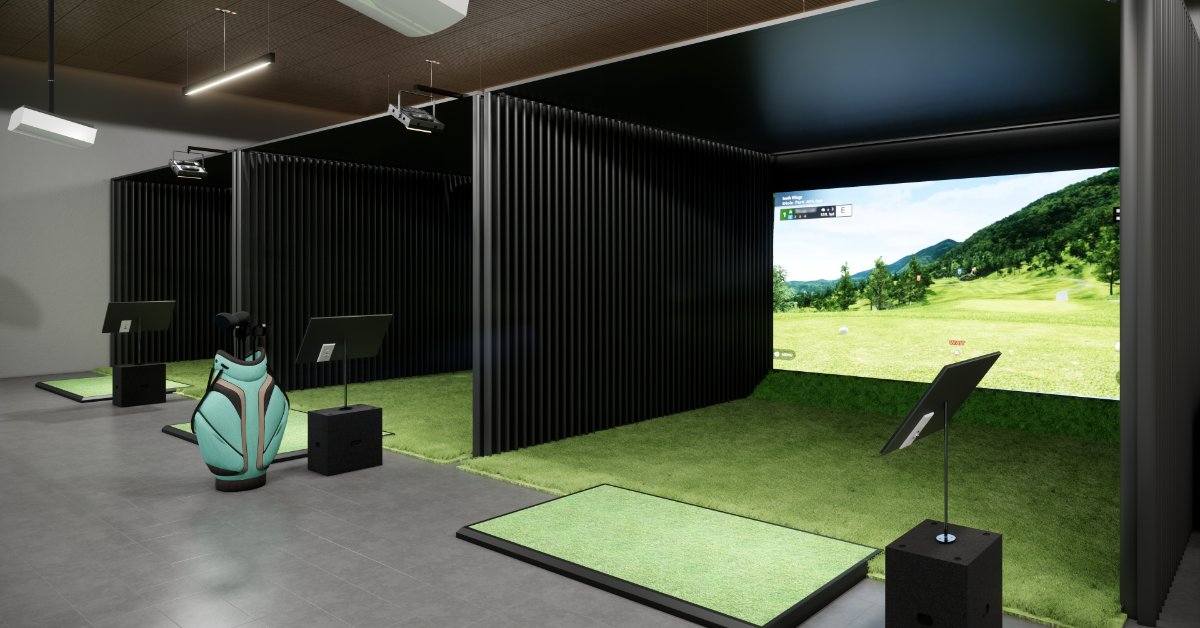
A soccer simulator uses projection technology with tracking software to create interactive indoor drills. Players strike a real ball toward a screen or target, and the system records the outcome. The software may evaluate shot placement or measure another result that relates to the selected activity.
The experience still demands physical execution from the player. Each pass or shot requires balance and clean contact. Immediate visual feedback helps athletes connect their movement with the final result, which makes each attempt easier to evaluate.
Build More Reliable Shooting Technique
Strong shooting depends on more than power. Players must control their approach and keep the plant foot stable while they strike the ball. A simulator lets athletes repeat that movement without spending much of the session retrieving balls.
Target-based practice can reveal patterns that players miss during a fast team workout. An athlete may pull shots toward one side or lose control after increasing power. Clear results help the player identify that pattern and make a focused correction during the next round.
Improve Passing Accuracy and Ball Placement
Accurate passing requires the right pace and direction. A slow pass gives a defender time to close the space, while an overhit ball can break the rhythm of an attack. Soccer simulators can create target-focused drills that reward control without removing the physical challenge.
Players can adjust foot angle or striking force while aiming for the same area across several attempts. Repeated comparison helps them understand which movement produces the most reliable result. Smaller targets can raise the difficulty after the player develops better consistency.
Develop Faster Decisions Under Pressure

Soccer rarely gives players unlimited time to choose an option. Defenders close space quickly, and passing lanes can disappear within seconds. Interactive drills can recreate that urgency through changing targets or limited response windows.
A player must read the screen before executing the movement. That process strengthens the link between visual information and physical action. Faster decisions matter most when the athlete can still produce an accurate pass or controlled shot.
Coaches can also adjust the challenge as the player improves. A beginner may need extra time to recognize the target, while an experienced athlete may benefit from a shorter window. The changing difficulty keeps the drill demanding without making the task unrealistic.
Create More Productive Repetition
Repetition supports development when each attempt has a clear objective. Endless shooting without a target can reinforce poor habits, especially when fatigue affects body position. A simulator gives every repetition a defined purpose and an immediate outcome. The following habits can make simulator sessions more effective:
- Players should choose one technical goal before starting each drill.
- Athletes should maintain control during early rounds before adding more speed.
- Coaches should review patterns across several attempts instead of judging one result.
- Players should finish with a short challenge that tests the same skill under pressure.
This approach keeps practice focused and prevents the session from becoming random entertainment. It also shows how soccer simulators can improve skills through measurable goals and thoughtful corrections. The technology supports progress, but purposeful practice still determines the value of each session.
Train Consistently Throughout the Year
Outdoor training often depends on field schedules and weather conditions. Heavy rain can shorten practice, while winter conditions may remove field access for longer periods. Indoor simulator access gives players another way to maintain technical work when outdoor sessions become difficult.
A short simulator workout can reinforce finishing or passing without requiring a full field. Players can also use the indoor setting during the offseason or between team practices. Consistent access helps athletes protect their momentum and return to outdoor play with sharper technique.
Facilities can benefit from that flexibility as well. Hotels or resorts can offer soccer activities without dedicating a large outdoor area to the experience. Businesses that install premier sports simulators can support focused practice while also creating interactive entertainment for families and groups.
Use Feedback to Make Smarter Adjustments
Useful feedback helps players understand why one attempt succeeded while another fell short. A simulator can show a score or display the shot location immediately after contact. That information allows the athlete to adjust the next attempt while the movement still feels fresh.
Players should avoid chasing a higher score without considering technique. A strong result may come from a movement that lacks balance, while a lower score may still reflect better control. Coaches can keep the session productive by connecting each result to the player’s body position.
The system can also show whether practice creates improvement over time. Athletes may notice tighter shot groupings or better results during timed drills. Those trends give players a practical way to measure progress beyond one successful attempt.
Support Different Ages and Skill Levels
Soccer simulators can serve beginners and experienced athletes because the software can adjust the difficulty. A newer player may need larger targets, while an advanced athlete may benefit from smaller scoring zones. This flexibility helps each participant choose a challenge that matches current ability.
Coaches can use that range to build confidence before increasing pressure. Early success encourages sound technique, while gradual difficulty keeps the athlete from settling into an easy routine. That progression keeps each session challenging and achievable.
Combine Simulator Work With Field Training
A simulator should strengthen a broader training plan rather than replace live play. Field sessions teach spacing and movement with teammates under real match pressure. Simulator sessions provide focused repetition that team practice cannot always offer.
Players can refine a weakness indoors before testing the adjustment on the field. A striker might work on low finishing and then apply the technique against a goalkeeper. A midfielder might improve target passing before using that control during a small-sided game.
Coaches gain another option for planning efficient sessions. The simulator can handle concentrated technical work, while field time can focus on tactical movement. That balance helps athletes connect individual execution with the demands of a match.
Turn Focused Practice Into Better Play
Soccer improvement comes from consistent work and honest feedback. Simulators support that process by giving athletes a controlled place to repeat skills and evaluate results. Players can sharpen technique without losing the competitive energy that makes soccer enjoyable.
The strongest results come when athletes approach each session with a specific goal. Clear targets and thoughtful corrections turn interactive training into practical development. A soccer simulator cannot make decisions for a player, but it can create more opportunities to practice making the right one.