Oct 29, 2026
Why Year-Round Training Matters for Youth Sports Programs
Youth sports programs help young athletes develop fundamental skills while encouraging physical activity and teamwork. However, seasonal schedules often create extended breaks that interrupt progress and make it difficult for players to maintain consistent practice habits. Programs that offer training opportunities throughout the year can help athletes strengthen their abilities without relying entirely on traditional competition seasons.
Consistent training also gives coaches more opportunities to address individual weaknesses and reinforce proper techniques. Rather than spending the beginning of each season reviewing familiar skills, teams can build upon previous lessons and gradually introduce more advanced exercises. A balanced year-round approach supports long-term athletic development while allowing young players to enjoy their favorite sports.
How Consistent Training Supports Athletic Development
Young athletes develop physical abilities through regular practice and repeated exposure to different movements. Extended breaks can interrupt their routines, especially when players have limited opportunities to practice outside organized team activities. Consistent training helps maintain familiarity with essential techniques while allowing athletes to progress at an appropriate pace.
Coaches can also use ongoing training sessions to monitor individual development more closely. Regular observations help instructors identify areas that require additional attention before small technical problems become established habits. This approach encourages steady improvement without placing unnecessary pressure on athletes to achieve immediate results.
Building Stronger Fundamental Skills
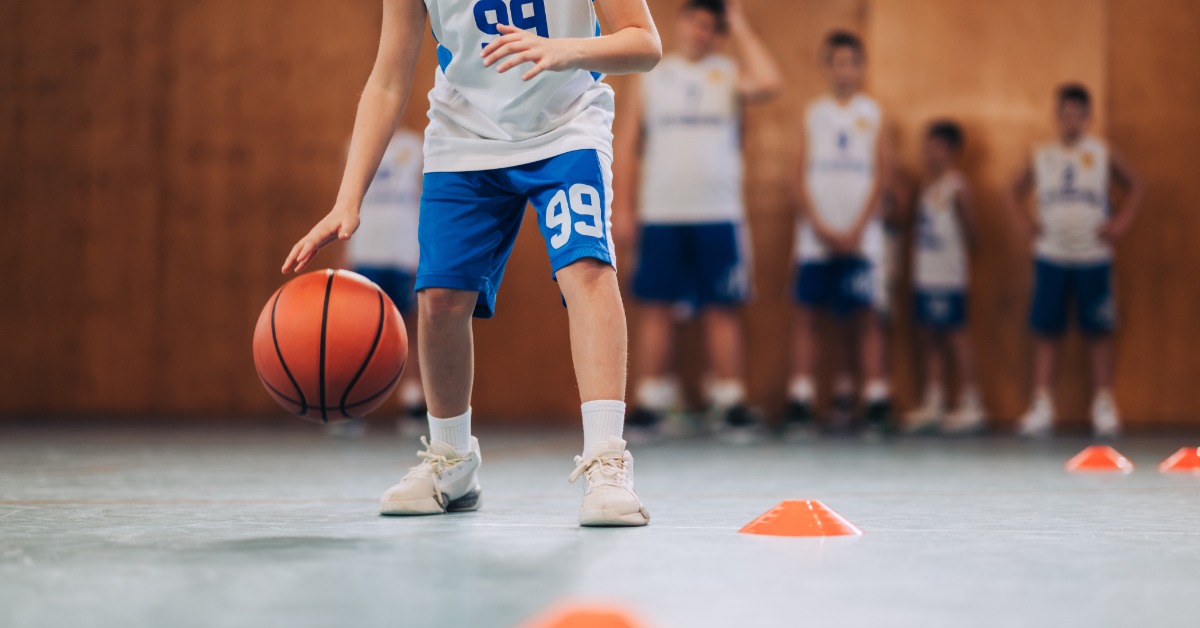
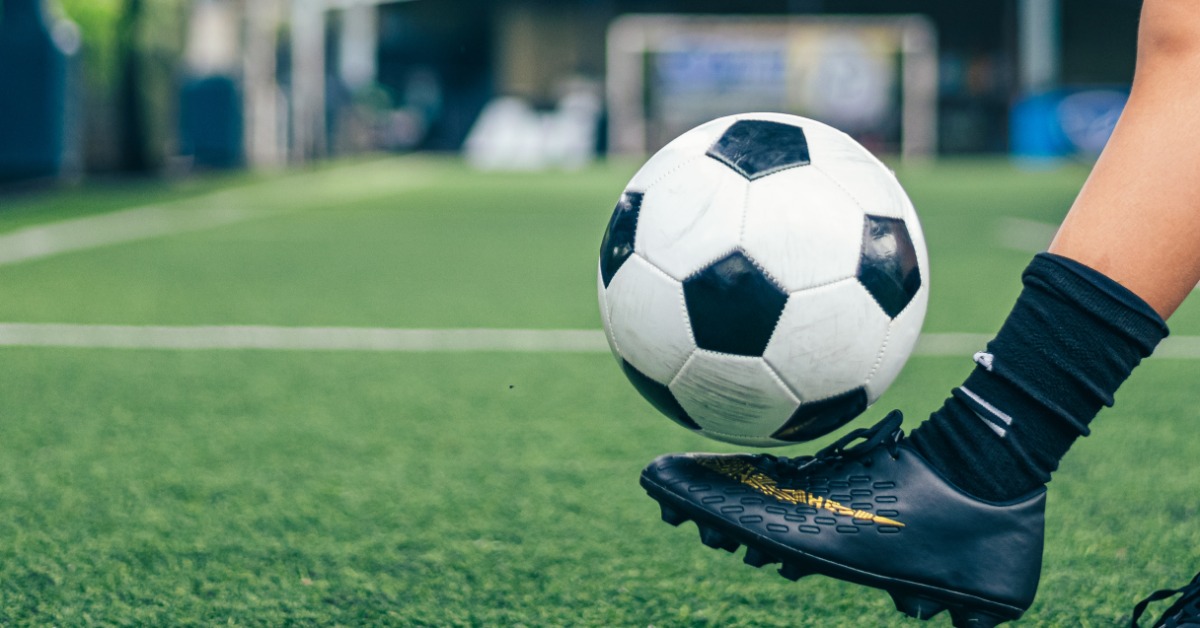
Fundamental skills provide the foundation for more advanced athletic performance across nearly every sport. Young basketball players need consistent shooting practice, while soccer players benefit from repeated passing exercises and controlled ball movement. Regular training gives athletes opportunities to refine these techniques before applying them during competitive situations.
Repetition also helps players develop greater confidence in their movements. As athletes become more comfortable with familiar techniques, they can devote additional attention to positioning and decision-making during gameplay. Coaches should gradually increase exercise difficulty while maintaining an emphasis on proper execution.
Why Year-Round Practice Helps Prevent Skill Regression
Seasonal breaks can make it difficult for athletes to maintain the coordination and technical familiarity they developed during competition. Although time away from organized sports supports recovery, prolonged inactivity may require players to spend additional time reviewing fundamental movements. Structured practice opportunities can help athletes retain their skills without demanding continuous high-intensity exercise.
This consistency is a huge reason why year-round training matters for youth sports programs that prioritize gradual improvement over short-term competitive results. Programs can schedule lighter practice sessions during traditional off-seasons while emphasizing technique rather than performance outcomes. These adjustments help young athletes maintain productive routines without sacrificing necessary recovery time.
Maintaining Coordination and Movement Patterns
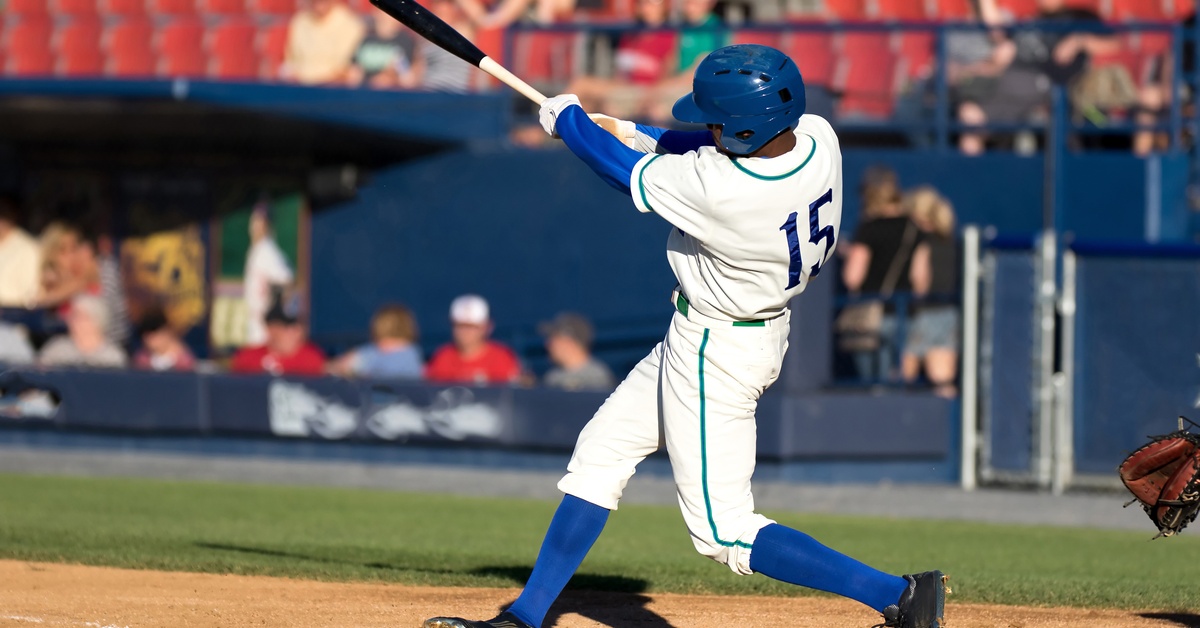
Athletic coordination develops as players practice movements under different conditions and gradually improve their control. Baseball players might focus on batting mechanics, and hockey players can practice shooting techniques that require precise timing. Regular exposure to these movements helps athletes maintain familiarity with the physical demands of their sports.
Coaches should also introduce appropriate variations that challenge players without overwhelming them. Changing practice distances or adjusting exercise difficulty can encourage athletes to adapt their movements more effectively. These activities support continued development while keeping training sessions engaging.
How Indoor Training Facilities Support Consistent Practice
Outdoor sports programs frequently encounter weather conditions that interfere with scheduled practices. Heavy rain, extreme temperatures, and winter conditions can limit access to traditional playing fields, leaving coaches with fewer opportunities to maintain training routines. Indoor facilities offer an alternative environment where teams can continue practicing regardless of seasonal changes.
Controlled environments also allow instructors to organize sessions around specific developmental goals. Coaches can adjust practice activities without worrying about sudden weather changes or deteriorating field conditions. This flexibility helps programs maintain predictable schedules while providing athletes with consistent access to training opportunities.
Using Sports Simulation Technology

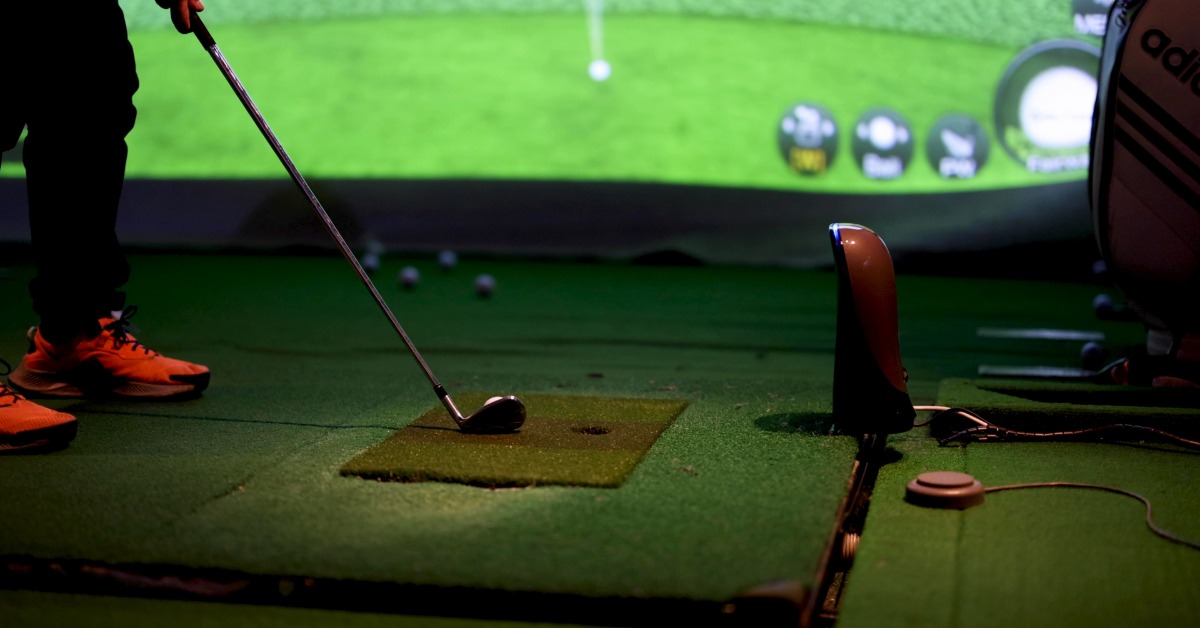
Modern training technology gives youth sports programs additional ways to incorporate interactive exercises into their schedules. A virtual sports simulator can provide opportunities to practice sport-specific movements within an indoor setting, depending on the system’s available activities. These experiences can supplement traditional coaching while introducing variety into familiar practice routines.
HD SportSuite offers multi-sport simulation experiences that support activities such as soccer, baseball, basketball, and hockey. Programs can incorporate suitable simulator activities into structured sessions while maintaining an emphasis on proper technique and age-appropriate instruction. Coaches should treat simulation exercises as complementary training opportunities rather than complete replacements for physical practice.
Supporting Confidence and Better Decision-Making
Confidence typically develops when athletes understand their responsibilities and feel comfortable executing familiar movements. Consistent practice gives young players more opportunities to experience improvement without the immediate pressure of competition. This familiarity can help athletes approach challenging situations with greater composure.
Regular training also creates opportunities to practice decision-making during controlled exercises. Coaches can introduce scenarios that encourage players to recognize changing situations and select appropriate responses. As athletes gain experience, they can begin applying these lessons during organized games.
Encouraging Productive Coaching Feedback
Effective feedback helps young athletes understand how specific adjustments can improve their performance. Rather than overwhelming players with multiple corrections, coaches can focus on one technical improvement during each exercise. This approach gives athletes enough time to understand instructions and practice the necessary adjustments.
Consistent training schedules make these conversations more productive because coaches can revisit previous lessons. Athletes can demonstrate their progress and receive additional guidance as their abilities develop. Over time, constructive feedback can strengthen communication between coaches and players.
Creating Balanced Training Schedules for Young Athletes
Although consistent practice offers developmental benefits, youth sports programs must also protect athletes from excessive training demands. Growing athletes need adequate recovery, especially when they participate in competitive leagues or multiple athletic activities. Coaches should balance structured exercises with rest periods and opportunities for recreational play.
Programs can maintain year-round engagement without requiring athletes to train at maximum intensity every week. A thoughtful schedule might include several different types of activities that address development while respecting individual needs. Coaches can organize sessions around the following priorities:
- Technical development: Practice fundamental movements through controlled exercises that emphasize accuracy and proper form.
- Physical recovery: Incorporate lighter activity periods that allow athletes to recover from demanding competitions.
- Skill variety: Introduce alternative sports activities that encourage different movement patterns and maintain interest.
- Individual progress: Adjust training intensity according to each athlete’s age, experience, and physical readiness.
These priorities help programs establish sustainable routines that support development without encouraging unnecessary specialization. Coaches should also communicate with families about outside athletic commitments to avoid excessive training workloads.
Building Stronger Youth Sports Programs Through Consistency
Organizations that maintain structured development opportunities can create a more consistent experience for athletes and their families. Predictable schedules help participants understand training expectations while allowing coaches to organize instruction around longer-term objectives. Programs can also adapt activities to accommodate different skill levels and participation goals.
This flexibility reinforces why year-round training matters for youth sports programs that serve athletes with varying abilities and interests. Instead of treating every participant as a competitive specialist, organizations can provide opportunities for recreational players to develop alongside more experienced athletes. Inclusive training environments encourage participation while supporting individual progress.
Helping Young Athletes Succeed Throughout the Year
Successful youth sports programs recognize that athletic development requires consistency, appropriate challenges, and sufficient recovery. Regular training opportunities allow coaches to reinforce fundamental skills and help athletes maintain confidence between competitive seasons. A balanced approach also encourages participation without making organized sports feel like a continuous obligation.
Indoor training options can help organizations maintain this balance when seasonal conditions limit outdoor activities. HD SportSuite provides interactive multi-sport experiences that programs can explore as part of their broader training offerings. By combining thoughtful coaching with accessible practice opportunities, youth sports organizations can support meaningful athletic development throughout the year.