Apr 20, 2026
Why Controlled Training Environments Improve Muscle Memory
Athletes chase consistency because consistency drives performance. Every swing, throw, or movement depends on how well the body recalls patterns under pressure. That’s exactly why controlled training environments improve muscle memory, especially when athletes want to remove variability and sharpen execution.
Controlled environments remove distractions and stabilize conditions, so athletes can repeat movements with precision. This structure helps the brain and body sync more quickly, strengthening neural pathways. Over time, athletes rely less on conscious thought and more on instinct. That shift separates average performance from elite execution.
What Muscle Memory Really Means
Muscle memory refers to the brain’s ability to store and repeat movement patterns automatically. The brain builds neural connections that control movement efficiency through repetition. When athletes repeat a motion correctly, those connections grow stronger and more reliable.
Consistency drives this process. When athletes train in unpredictable conditions, they introduce variation that slows progress. Controlled environments eliminate that issue and allow athletes to focus on perfect repetition. That focus leads to faster skill development and more reliable performance.
The Role of Repetition in Skill Development
Repetition builds mastery when athletes repeat the correct movement. Poor repetition reinforces bad habits just as quickly as good repetition builds skill. Controlled environments ensure athletes repeat movements under ideal conditions.
Athletes reinforce proper technique with every attempt. They reduce errors caused by external variables. They improve timing, rhythm, and coordination through focused repetition. Each repetition strengthens neural efficiency and sharpens execution.
Why Controlled Conditions Matter
Uncontrolled environments introduce variables that disrupt learning. Weather, lighting, surface changes, and distractions all affect performance. These variables force athletes to adjust constantly, which slows the development of consistent muscle memory.
Controlled environments remove those disruptions and allow athletes to focus on technique. This level of focus supports deeper learning and faster improvement. That’s another reason why controlled training environments improve muscle memory across all skill levels. Athletes gain the ability to isolate skills and refine movements with precision.
Immediate Feedback Drives Faster Improvement
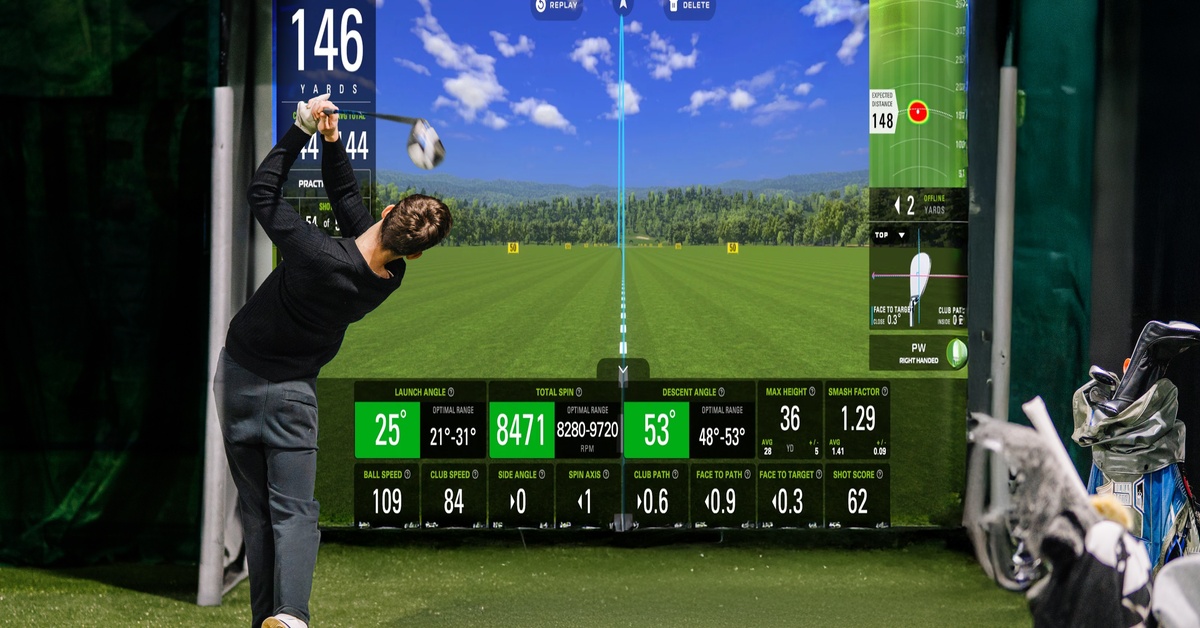
Athletes improve faster when they receive immediate feedback. Controlled environments often include technology that tracks performance in real time. This data helps athletes understand exactly what they did right or wrong.
Feedback creates a clear learning loop. Athletes perform a movement, review the result, and adjust right away. That cycle accelerates progress because athletes avoid repeating mistakes. Over time, small adjustments lead to meaningful gains in performance.
Building Confidence Through Consistency
Confidence grows when athletes trust their abilities. Controlled environments help athletes build trust by delivering consistent results. When athletes see the same outcome from the same movement, they gain confidence in their technique.
Confidence plays a major role in performance under pressure. Athletes who trust their muscle memory perform more reliably in competition. They act without hesitation because their training supports their instincts. This confidence carries into real-game situations and improves execution.
Reducing Cognitive Load During Performance
Athletes perform best when they avoid overthinking. Muscle memory allows movements to occur automatically, reducing cognitive load. Controlled environments help athletes reach that level faster by reinforcing consistent patterns.
When athletes train in stable conditions, they focus fully on refining technique. This approach helps the brain encode movements more efficiently. During competition, this efficiency improves reaction time and sharpens decision-making. Athletes respond faster because their training supports instinctive action.
The Technology Advantage in Modern Training
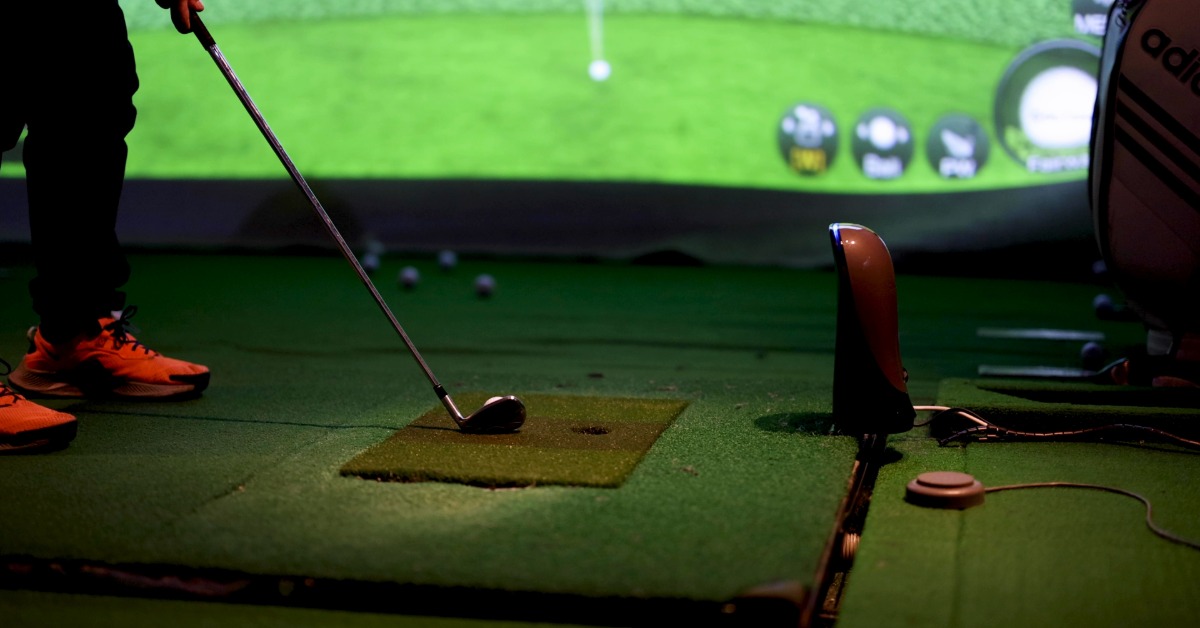
Technology has transformed how athletes train. Advanced systems create controlled environments that replicate real-world conditions with precision. These systems combine data tracking, realistic simulations, and immersive feedback.
For example, a sports simulator for home allows athletes to train year-round without environmental limitations. Athletes practice in a consistent setting while still experiencing realistic gameplay scenarios. This balance strengthens muscle memory and supports skill transfer to real competition.
HD SportSuite delivers this experience through advanced computer vision and precise tracking technology. Our systems capture detailed performance metrics that help athletes refine every movement. This level of detail supports measurable improvement and consistent results.
Why Athletes at Every Level Benefit
Controlled training environments support athletes at every stage of development. Beginners build proper technique from the start, which prevents long-term issues. Intermediate athletes refine movement patterns and improve efficiency through focused repetition.
Advanced athletes sharpen performance and gain a competitive edge through precision training. This versatility makes controlled environments valuable across residential and commercial settings. HD SportSuite supports both markets with high-end training and entertainment solutions.
Eliminating Bad Habits Early
Bad habits can slow progress and limit performance. When athletes reinforce incorrect movements, they create patterns that require correction later. Controlled environments reduce this risk by promoting proper technique from the beginning.
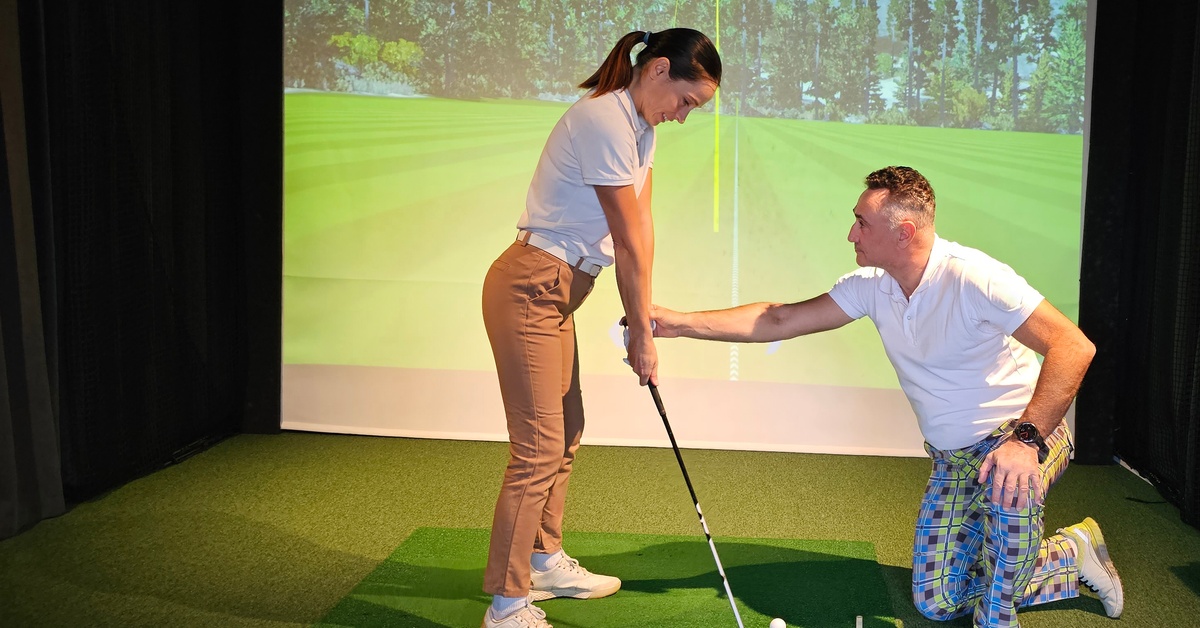
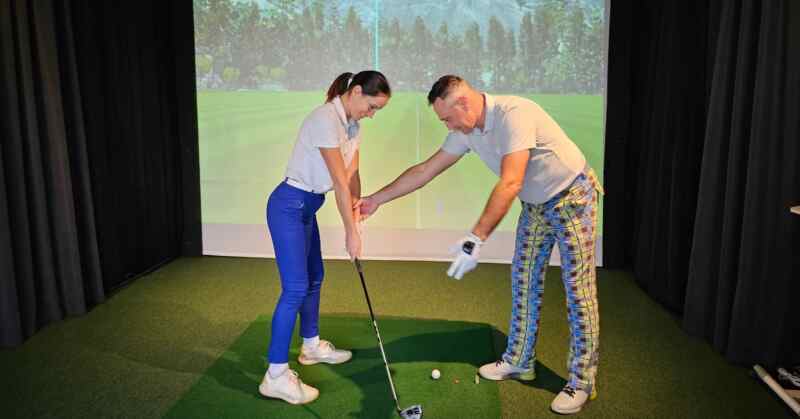
Athletes receive consistent feedback and structured repetition, which supports better habits. Coaches can guide performance more effectively in these environments. This approach strengthens development and keeps athletes on track. Over time, athletes build a stronger foundation for long-term success.
Transferring Skills to Real Competition
Some athletes question whether controlled environments translate to real competition. Controlled training builds strong movement patterns that support adaptability. When athletes master consistent mechanics, they adjust more effectively in dynamic situations.
Athletes apply these refined skills with greater confidence in unpredictable environments. Their muscle memory supports performance even when conditions change. This advantage leads to more consistent results during competition. Strong fundamentals create reliable execution under pressure.
The Entertainment and Training Balance
Modern training environments combine performance and engagement. Athletes stay motivated when training feels immersive and enjoyable. HD SportSuite creates this balance by offering multi-sport experiences that keep users engaged.
This approach supports both serious training and consistent practice. Athletes train more often when they enjoy the experience. Increased repetition strengthens muscle memory and improves performance. Engagement drives consistency, and consistency drives results.
Athletes improve fastest when they train with structure and focus. Controlled environments remove distractions and support precise repetition. These conditions help athletes build reliable muscle memory that performs under pressure.
Controlled training accelerates learning and strengthens confidence. It also supports consistent execution through advanced technology and real-time feedback. Athletes who train in these environments gain a clear advantage in both practice and competition.