Mar 19, 2026
Why Immersion Matters More in Sports Simulation
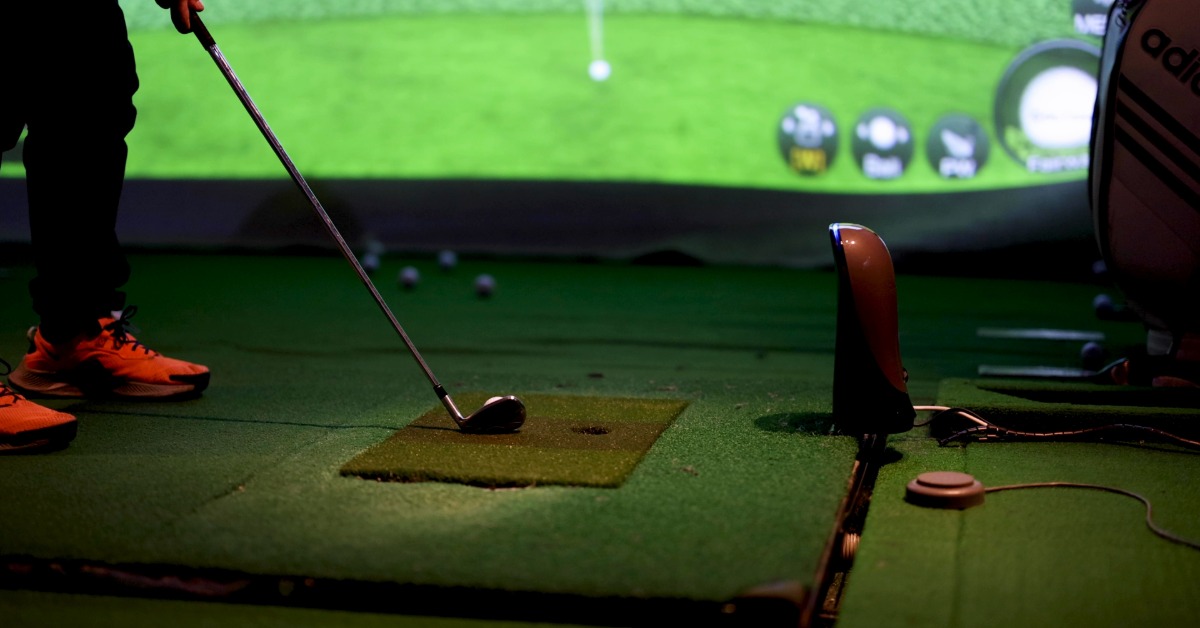
Sports simulation has evolved far beyond simple graphics and basic ball tracking. Today’s players expect realism, precision, and energy that mirrors real competition. The conversation no longer centers on hardware specs alone; it centers on experience.
That shift explains why immersion matters more in sports simulation than ever before. When players feel fully engaged—visually, physically, and mentally—they train harder, compete longer, and return more often.
The Experience Changes Everything
Technology alone does not transform a sports simulator into a game-changer. The experience drives results. Players perform better and stay engaged longer when they feel fully inside the game.
Immersion connects movement, sound, visuals, and feedback into one seamless moment. When that connection feels authentic, the simulator stops feeling like a screen and starts feeling like a sport.
Realism Drives Performance
Athletes rely on repetition under realistic conditions. If the ball flight looks wrong or the spin feels inconsistent, players lose trust in the system. Once trust disappears, progress stalls. Immersive simulation recreates the pressure and rhythm of real competition.
Accurate 3D modeling, precise ball tracking, and responsive feedback create an environment where athletes sharpen their skills rather than adjust to flaws. Details determine outcomes at high levels of play. A tenth of a degree changes a shot’s result, and a fraction of spin alters trajectory. When the environment mirrors reality, athletes commit fully to every swing, throw, or strike.
Engagement Fuels Consistency
People return to what excites them. Immersion fuels excitement by blending competition, challenge, and entertainment into one cohesive experience. Commercial venues understand this dynamic well. Resorts, sports bars, and entertainment spaces increase dwell time when guests feel fully engaged.
Immersive environments spark repeat play because they feel dynamic and responsive. At home, immersion transforms practice into anticipation. Players step into the space with purpose because the environment feels alive and performance-driven.
Visual Depth Creates Emotional Impact
High-definition graphics do more than impress. They create emotional buy-in. When players see realistic stadium lighting, detailed textures, and natural ball movement, they invest mentally in every outcome.
That investment drives intensity. A putt carries weight. A penalty shot raises tension. A final inning demands focus. Without immersive visuals, players treat the simulation like an arcade game. With immersive visuals, they treat it like a competition.
Sound and Feedback Shape Confidence
Audio design strengthens immersion. The crack of a bat, the echo of a basketball, or the strike of a golf ball off the clubface reinforces familiarity and builds confidence. Immediate feedback sharpens decision-making. Players review spin data, launch angles, and impact metrics in real time and adjust quickly.
The system responds instantly, and players stay focused. Immersion connects instinct and information. That connection accelerates improvement.
Multi-Sport Immersion Expands Possibility

Modern households and commercial venues rarely want a single-sport solution. They want versatility without sacrificing realism.
An immersive environment must feel authentic, whether someone plays golf, soccer, baseball, or hockey. A high-level HD multi-sport simulator from HD SportSuite delivers that flexibility while maintaining consistent precision and visual depth. When the system supports more than thirty sports with consistent realism, the room becomes more than a simulator. It becomes a performance lab and entertainment hub in one.
Competitive Energy Thrives in Immersive Spaces
Competition demands emotional intensity. Immersion amplifies that energy.
In commercial settings, multiplayer functionality drives group engagement. Friends challenge each other. Colleagues compete. Families create memorable rivalries. The environment sustains that energy because it feels substantial and responsive.
In residential settings, immersive simulation strengthens practice habits. Players simulate tournament pressure. They rehearse high-stakes shots. They build resilience because the system mirrors real-game tension.
Precision Builds Trust
Trust forms the foundation of any training tool. If players question accuracy, they hesitate. Hesitation disrupts rhythm and undermines confidence. Advanced tracking systems capture ball speed, spin rate, clubface angle, and impact data with exceptional precision.
Players see consistent, measurable outcomes and trust the numbers. That trust encourages full commitment. Full commitment drives measurable improvement.
Design Influences Performance
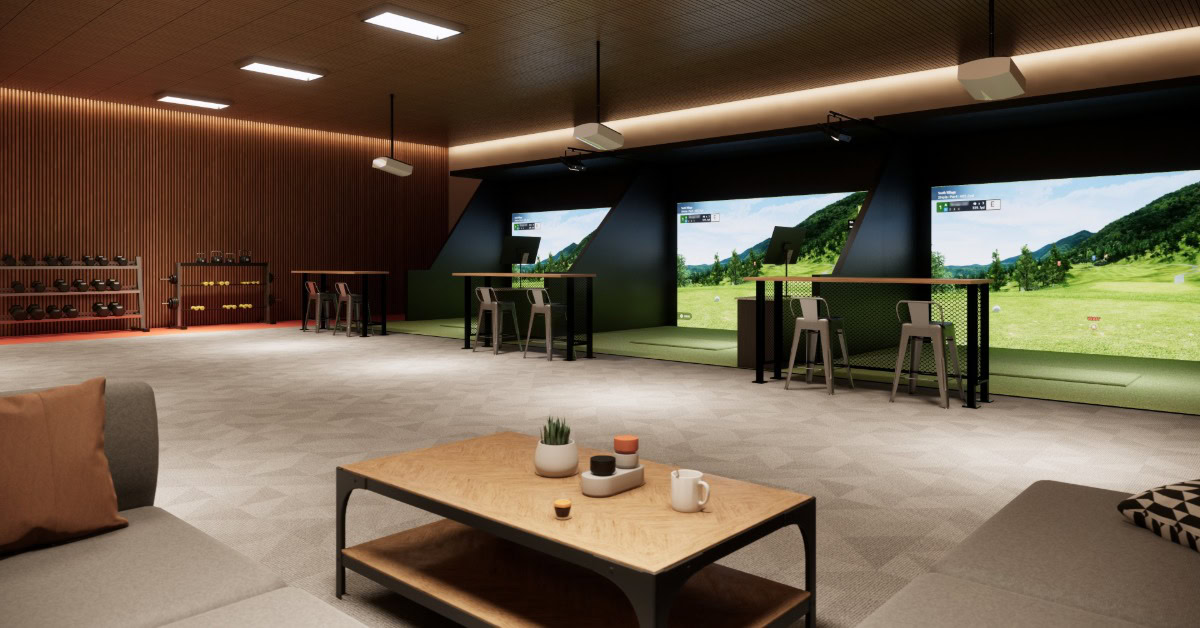
Immersion extends beyond software. Room design shapes the experience. Lighting, screen size, projection quality, and layout influence how players perceive depth and distance.
A well-designed simulator space removes distractions and creates flow. Proper alignment of sightlines and sound makes every movement feel natural. When design and technology align, performance improves.
Commercial Spaces Demand Immersive Differentiation
Hotels, resorts, and entertainment venues compete for attention. They cannot rely solely on novelty. They must deliver memorable experiences that encourage repeat visits.
Immersive sports simulation offers that differentiation. Guests step into a fully interactive environment that feels polished and premium. They share the experience and return with friends.
Strong immersion drives revenue. Longer engagement and higher replay value increase return on investment.
Residential Buyers Expect More
High-end homeowners seek both entertainment and performance value. They want training tools that elevate their game and social spaces that impress guests. Immersion satisfies both goals.
The system looks stunning, responds instantly, and provides measurable performance insights. The simulator becomes a centerpiece rather than a novelty. Rising expectations drive demand for realism. Buyers recognize the difference between a screen-based game and a fully immersive athletic environment.
Immersion Bridges Entertainment and Elite Training
Professional athletes require reliable data. Families and guests crave fun. Immersive simulation bridges those needs without compromise.
Accurate tracking supports skill development. Dynamic visuals and multiplayer modes create excitement. Together, they form a complete experience that serves beginners and experts alike.
This balance reinforces why immersion matters more in sports simulation than raw specifications alone. Hardware specs impress on paper. Immersion wins loyalty in practice.
The Psychological Edge
Athletic performance relies on mental focus. Immersive environments eliminate the mental gap between practice and competition.
Players visualize real scenarios inside realistic environments. They rehearse under pressure. They build muscle memory tied to authentic visual and auditory cues.
That psychological conditioning creates a measurable edge. Athletes step onto real fields and courses with confidence built through immersive preparation.
Long-Term Value Comes from Experience
Technology evolves quickly. Screens improve. Processors accelerate. New features enter the market.
Long-term satisfaction depends on how the system feels, not just how it functions. Immersion sustains excitement over time by continuing to engage players emotionally and physically.
A system that feels real today will feel relevant tomorrow. A system that lacks immersion fades into the background.
Immersion Sets the Standard
Sports simulation no longer revolves around novelty. It revolves around authenticity. Players expect environments that mirror real-world physics, visuals, and competitive intensity.
Immersion transforms data into performance and entertainment into memory. It builds trust, sharpens skills, and fuels engagement across residential and commercial spaces.
When evaluating any simulator, ask one central question: Does it pull players fully into the game? The answer defines the difference between impressive technology and a transformative experience.