Jul 29, 2025
Why Simulated Sports Training Is Ideal for Injury Prevention
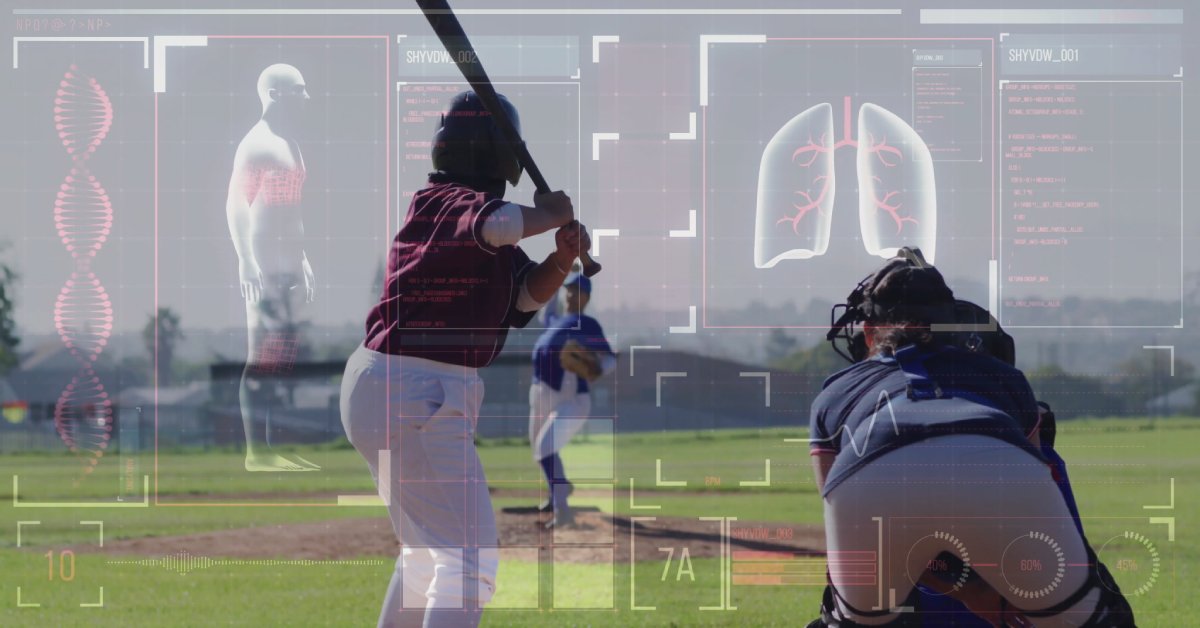
Athletic injuries remain one of the biggest challenges facing athletes at every level. From enthusiasts to professional competitors, the risk of injury during training and competition continues to threaten athletic careers and personal fitness goals.
However, there’s a revolutionary sports training solution that combines skill development with injury prevention: simulated sports training. Simulated sports training is ideal for injury prevention because it creates controlled environments where athletes can practice and improve without the physical risks associated with traditional training methods.
This innovative approach allows athletes to train consistently while minimizing exposure to injury-causing factors. Unpredictable weather, uneven surfaces, and high-impact collisions are no match for HD SportSuite simulators.
Controlled Training Environments
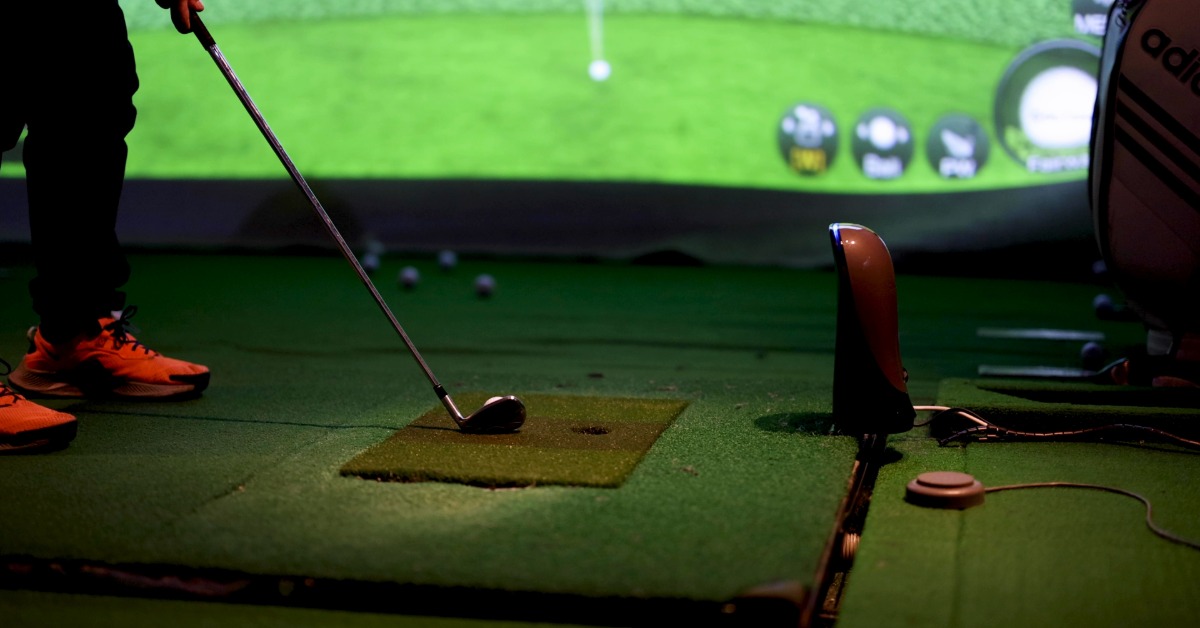
Sports simulators create standardized conditions that eliminate many external variables that contribute to injuries. Weather conditions, surface irregularities, and equipment malfunctions become non-factors when training occurs in a controlled indoor environment. Simulated sports training is ideal for injury prevention because it allows athletes to focus entirely on their technique and performance without worrying about external hazards.
The controlled environment also enables precise monitoring of training intensity and duration. Athletes can gradually increase their training load without the sudden spikes in intensity that often occur during outdoor or field-based training sessions. This progressive approach prevents overuse injuries while systematically building strength and endurance.
Comprehensive Athletic Development
Modern sports simulators provide access to multiple sports within a single system, enabling athletes to develop diverse skill sets while minimizing the risk of overuse injuries associated with single-sport specialization. Cross-training through simulation helps athletes develop different muscle groups and movement patterns, creating more balanced physical development.
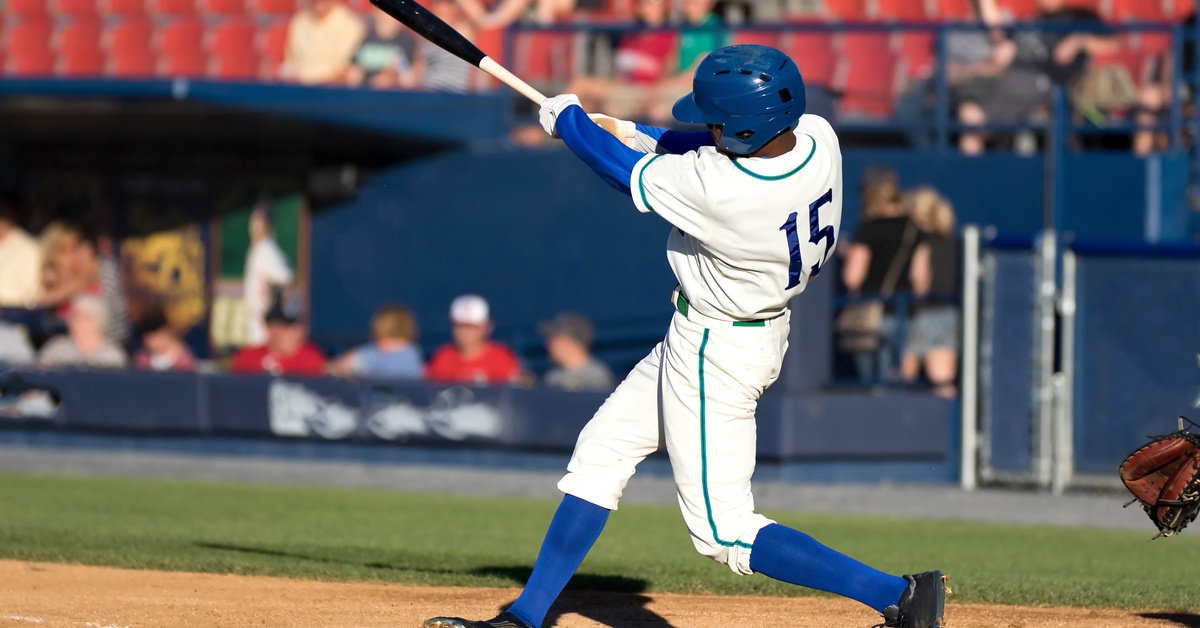
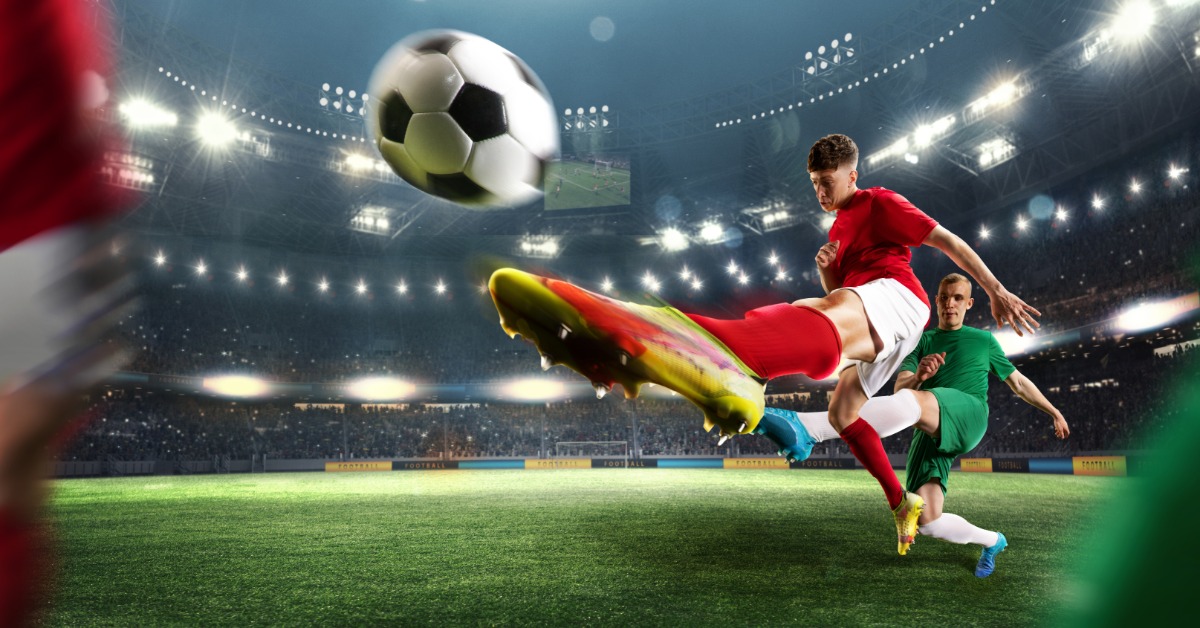
An HD multi-sport simulator, such as those offered by HD SportSuite, empowers athletes to practice soccer, baseball, hockey, and football techniques and add variety to their training routine. This diversity prevents repetitive stress injuries that often result from focusing exclusively on the specific movements and muscle demands of one sport.
Skill Transfer and Adaptation
The variety available in multi-sport simulators helps athletes develop transferable skills that benefit their primary sport while reducing the risk of injury. For example, a baseball player practicing soccer penalty kicks develops lower-body coordination and balance that translates to an improved batting stance and injury prevention.
Similarly, a football player practicing hockey shots enhances hand-eye coordination and core stability. This cross-training approach strengthens supporting muscle groups that sport-specific training might neglect, creating a more well-rounded physical foundation that resists injury when athletes return to their primary sport.
Overcoming Seasonal Limitations
Traditional sports training often faces seasonal interruptions due to weather conditions, facility availability, and off-season periods. These interruptions can lead to deconditioning, skill degradation, and an increased risk of injury when athletes return to intensive training or competition.
Sports simulators eliminate seasonal barriers, allowing athletes to maintain consistent training schedules regardless of external conditions. This consistency prevents the fitness peaks and valleys that contribute to injury risk during transition periods between seasons.
Maintaining Competitive Edge
Year-round access to training helps athletes maintain their competitive edge while reducing the risk of injury. Rather than experiencing dramatic increases in training intensity at the beginning of each season, athletes can gradually build and maintain their fitness levels throughout the year.
The ability to practice specific skills and scenarios repeatedly in a controlled environment accelerates skill development while minimizing the physical toll of traditional training methods. Athletes can work on technique refinement without the cumulative fatigue and stress that accumulate during intensive field practice sessions.
Technical Skill Development
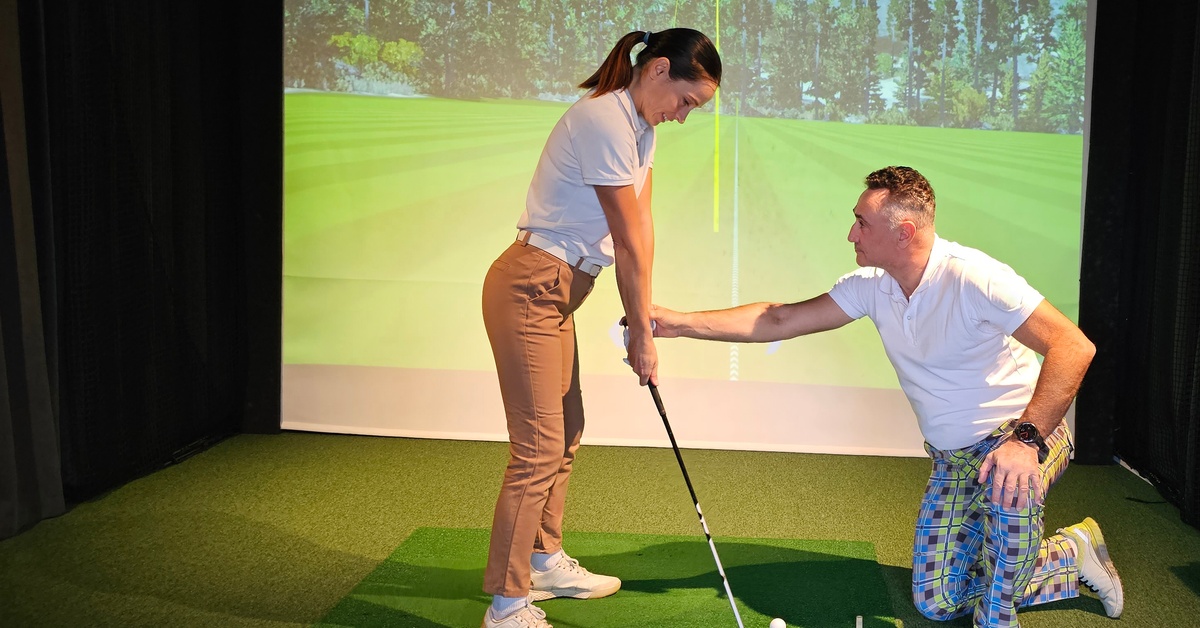
Sports simulators provide immediate feedback on performance metrics, allowing athletes to identify and correct technical flaws that might contribute to injury risk. Poor technique can lead to compensatory movements and muscle imbalances, causing increased injury susceptibility over time.
The precision available in simulator training helps athletes develop optimal movement patterns that reduce stress on vulnerable joints and muscle groups. When athletes can practice their golf swing, baseball pitch, or soccer kick with immediate feedback, they develop more efficient and safer movement patterns.
Progressive Skill Building
The controlled nature of simulator training allows systematic skill progression, building competency while minimizing injury risk. Athletes can start with basic movements and gradually increase complexity as their technique improves and their physical conditioning develops.
This progressive approach prevents the common training error of attempting advanced skills before mastering fundamental techniques. Poor fundamentals often lead to injury when athletes try to perform at levels beyond their current technical ability.
Active Recovery Training
Sports simulators serve as excellent tools for active recovery training, enabling athletes to maintain their movement patterns and cardiovascular fitness while recovering from minor injuries or managing their training load. The controlled environment facilitates modified training that keeps athletes engaged without aggravating existing conditions.
Athletes recovering from lower-body injuries can focus on upper-body sports within the simulator, maintaining their competitive training mindset while allowing the injured areas to heal. This approach prevents the deconditioning that often occurs during traditional rest periods.
Rehabilitation Support
The precise control available in simulator training makes it an ideal tool for rehabilitation programs. Athletes can gradually return to sport-specific movements in a controlled environment that allows for careful monitoring of their progress and immediate adjustment of training parameters.
Physical therapists and trainers can incorporate simulator training to assess an athlete’s readiness to return to competition, identifying any lingering movement compensations that may predispose them to re-injury.

Pressure-Free Skill Development
The safe environment of simulator training allows athletes to experiment with new techniques and strategies without the pressure and risk of injury associated with competitive situations. This freedom to make mistakes and learn from them accelerates skill development while building confidence.
Athletes can practice high-pressure scenarios repeatedly in a controlled environment, developing the mental resilience needed for competition while avoiding the physical stress of actual game situations. This cognitive training component significantly contributes to injury prevention by enhancing decision-making under pressure.
Visualization and Mental Rehearsal
Sports simulators offer realistic visual and tactile feedback, enhancing mental training techniques. Athletes can practice visualization and mental rehearsal while engaging in physical movements, creating stronger neural pathways that improve both performance and injury prevention.
The immersive nature of modern simulators helps athletes develop better spatial awareness and reaction times. These factors are important when it comes to avoiding injuries during competition.
Transform Your Training
Sports simulators represent a fundamental shift in how athletes approach training and injury prevention. By providing controlled, consistent, and comprehensive training environments, these systems enable athletes to develop their skills while minimizing the risk of injury.
The combination of year-round availability, multi-sport capabilities, and precise feedback creates an ideal training environment that supports both performance improvement and long-term athletic health. As athletes and coaches continue to recognize the benefits of simulation training, this approach becomes increasingly essential for serious athletic development.
Ready to revolutionize your training approach? Find out how HD SportSuite simulators can support and optimize your athletic development while maintaining your health and competitiveness. Contact our team to set up the perfect simulator solution for your training needs and take the first step toward safer, more effective athletic preparation.